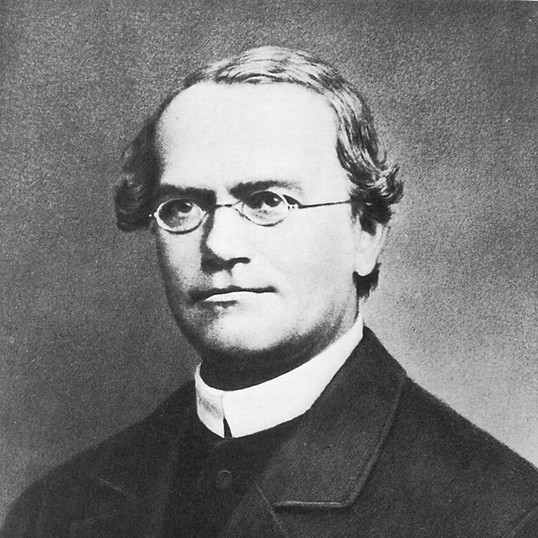
格雷戈尔·孟德尔Gregor Johann Mendel
(1822-1884)(1822-1884)



世之以少量著述而能引起悠久错综之影响于科学界者,无过于布隆奥古斯丁派僧侣佩忒·格列高·门德尔(Pater Gregor Mendel)。门德尔殁后,其短篇论文为人所遗忘者且数十寒暑,然其工作再现不及数载,遗传学说蒙其影响既深且巨;而门德尔之定律遂卓然成家,浸为生物学研究之中心目标,及实际应用之基本方法矣。
Few publications have so enduringly and variously influenced science as has the short monograph by the Augustinian monk of Brünn, Peter Gregor Mendel. Forgotten for decades, within a few years after its rediscovery it gave a mighty impetus to the doctrine of heredity; and, as Mendelism, his teaching as well as the foundation of manifold practical applications.
谭镇瑶1936年译《门德尔传》Hugo Iltis,Life of Mendel
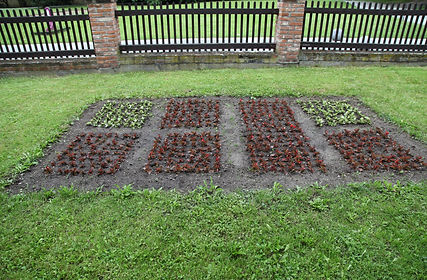
(1822-1884)(1822-1884)
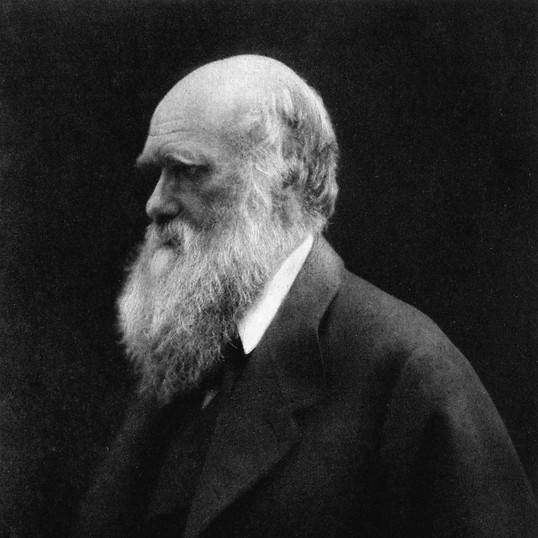
(1809-1882) (1809-1882)
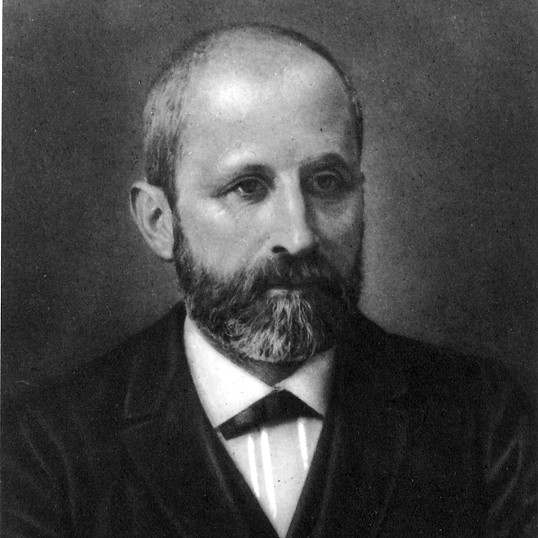
(1844-1885) (1844-1885)
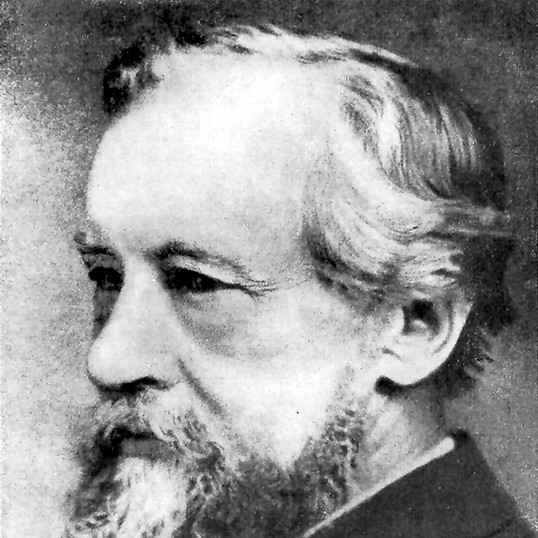
(1848-1935)(1848-1935)
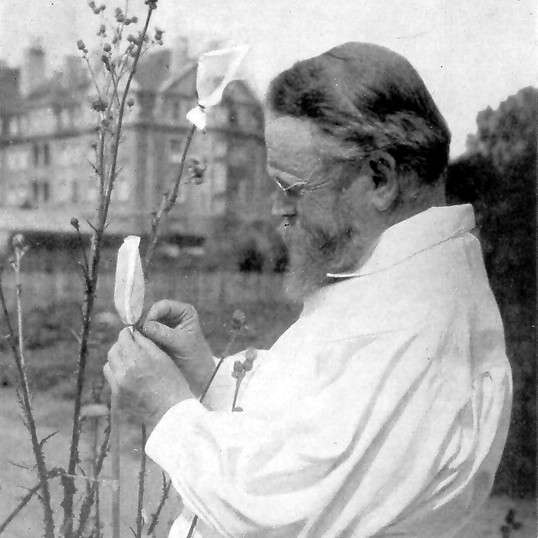
(1864-1933) (1864-1933)
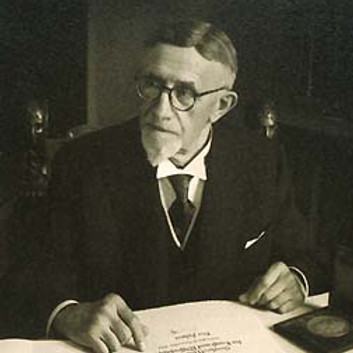
(1871-1962)(1871-1962)
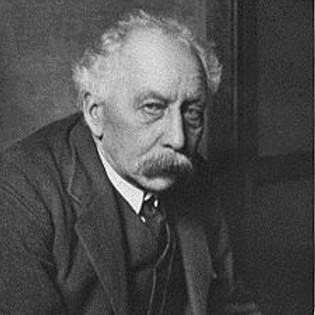
(1861-1926)(1861-1926)
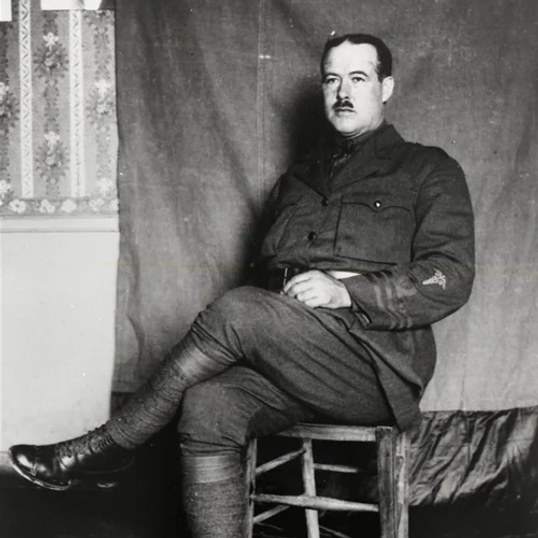
(1877-1916)(1877-1916)
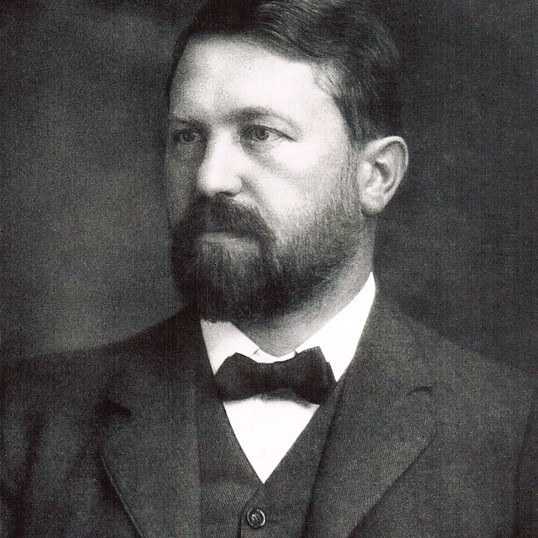
(1862-1915) (1862-1915)
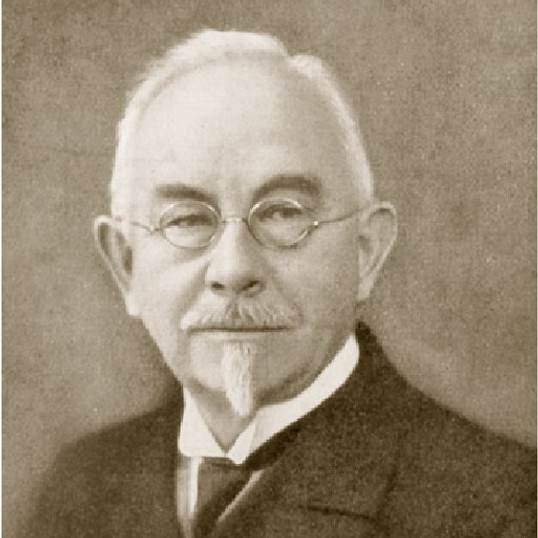
(1857-1927) (1857-1927)
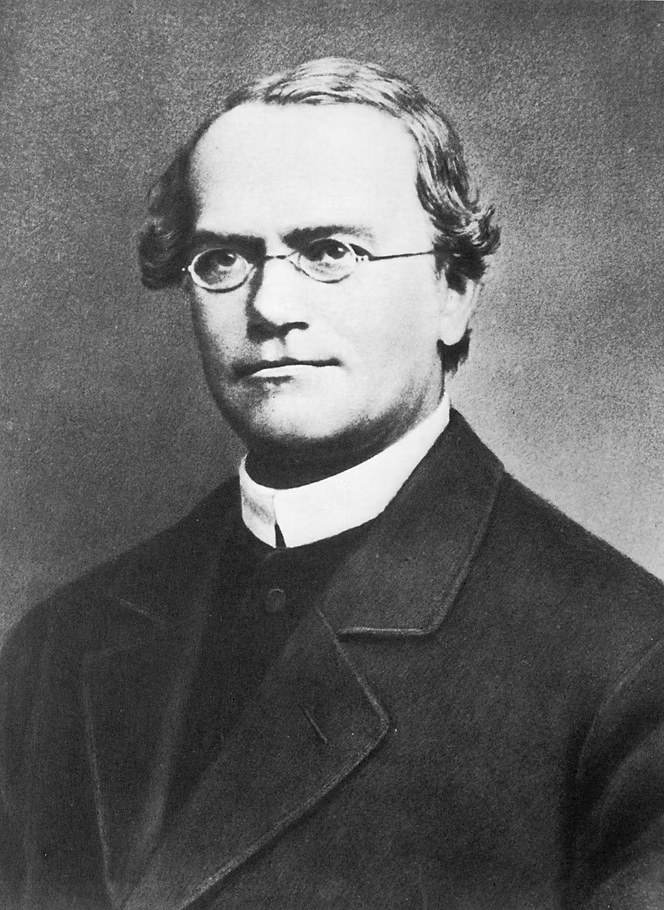
格雷戈尔·约翰·孟德尔(1822年7月20日—1884年1月6日)是奥地利遗传学家、气象学家、奥古斯丁会修士。孟德尔出生在奥地利帝国西里西亚地区(今天的捷克共和国)一个讲德语的家庭。年轻时他在奥洛穆茨大学(University of Olmütz)学习实践和理论哲学以及物理学,并于1843年进入布鲁恩(Brünn,摩拉维亚伯爵领地[Margraviate of Moravia],今捷克共和国布尔诺[Brno])的奥古斯丁会圣托马斯修道院(St. Thomas’ Abbey)。孟德尔做出这一选择原先是出于必要,并没有感觉到自己对圣职的使命感;但他很快意识到,在修道院中他可以摆脱经济顾虑,而且找到了继续从事学问的最佳条件。1851年,修道院推荐孟德尔去维也纳大学学习,他先后师从物理学家克里斯蒂安·多普勒(Christian Doppler,1803-1853)和植物学家弗朗茨·昂格尔(Franz Unger,1800-1870)学习。
1856年至1863年间,孟德尔培育和测试了至少28000株植物,仔细分析了七对种子和植株的性状。他的原创性理念在于认为遗传是微粒的,与当时普遍接受的融合遗传模式相反。他对豌豆的实验表明,当真实遗传的不同品种相互杂交时(如矮茎品种给高茎品种授粉),在第二代中,四分之一的豌豆植株具有纯种的隐性性状,四分之二具有杂合性状,四分之一具有纯种的显性性状。他的实验使他做出了两个概括,即分离定律和自由组合定律,这两个定律后来被称为孟德尔遗传定律。
Gregor Johann Mendel (20 July 1822 - 6 January 1884) was an Austrian geneticist, meteorologist, Augustinian friar and abbot of St. Thomas' Abbey in Brünn (Brno), Margraviate of Moravia. Mendel was born in a German-speaking family in the Silesian part of the Austrian Empire (today's Czech Republic). As a young man, he studied practical and theoretical philosophy and physics at the University of Olmütz (now Olomouc, Czech Republic).Upon recommendation of his physics teacher Friedrich Franz, Mendel entered the Augustinian St Thomas's Abbey in Brünn (now Brno, Czech Republic) in 1843. He did so out of necessity and without feeling in himself a vocation for holy orders. But he soon realized that in the monastery he would be free from financial concerns and would find the best conditions for continuing his studies. In 1851, he was recommended to study in University of Vienna.Mendel studied under physicist Christian Doppler (1803-1853) and botanist Franz Unger (1800-1870) there.
Between 1856 and 1863 Mendel cultivated and tested at least 28,000 plants, carefully analyzing seven pairs of seeds and plant traits. His original idea was that heredity is particulate, contrary to the model of “blending inheritance” generally accepted at that time.His experiments with the pea plants showed that, when true-breeding different varieties were crossed to each other (e.g., tall plants fertilized by short plants), in the second generation, one in four pea plants had purebred recessive traits, two out of four were hybrids, and one out of four were purebred dominant. His experiments led him to make two generalizations, the Law of Segregation and the Law of Independent Assortment, which later came to be known as Mendel's Laws of Inheritance.
1865年2月8日和3月8日,孟德尔在布尔诺自然志学会的两次会议上报告了他的论文《植物杂交实验》(Versuche über Pflanzenhybriden),在当地报纸上产生了一些有利报道,但却被科学界忽视了。直到1900年,一系列旨在寻找不连续遗传而非融合遗传的成功理论的研究,使得许霍·德弗里斯(Hugo de Vries)和卡尔·科伦斯(Carl Correns)独立重复了孟德尔的工作,并重新发现了孟德尔的著作和定律。
On 8 February and 8 March 1865, Mendel presented his paper "Versuche über Pflanzenhybriden" ("Experiments on Plant Hybridization") at two meetings of the Natural History Society of Brno in Moravia. It generated a few favorable reports in local newspapers, but was ignored by the scientific community.It was not until 1900 that a series of researches aimed at finding a successful theory of discontinuous inheritance (rather than blending inheritance) led to independent duplication of his work by Hugo de Vries and Carl Correns, and the rediscovery of Mendel's writings and laws.
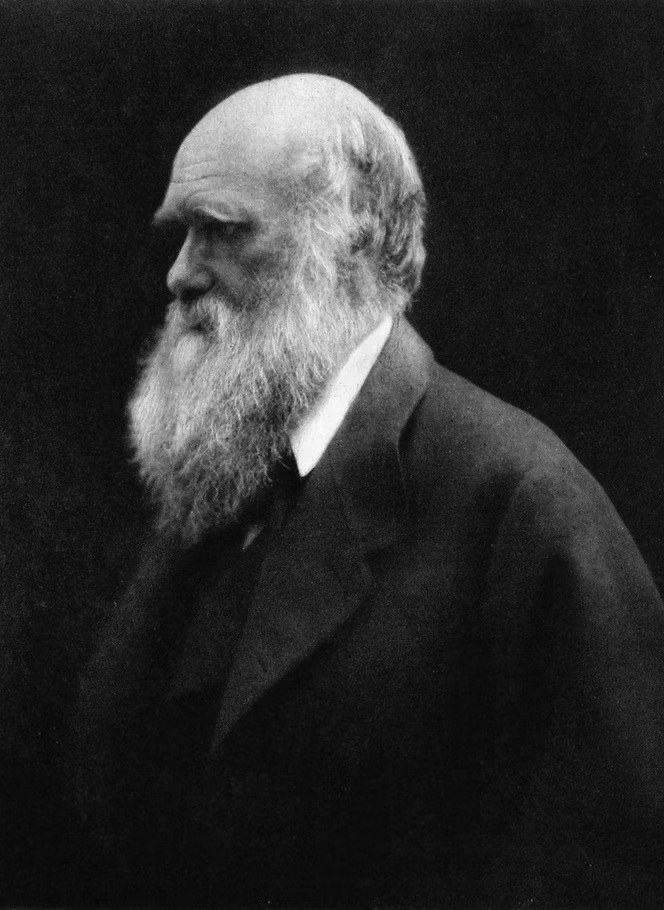
查尔斯·罗伯特·达尔文(1809年2月12日—1882年4月19日)是英国自然志家、地质学家和生物学家,以其对进化生物学的贡献而闻名。他是富有的社会医生和金融家罗伯特·达尔文(Robert Darwin)和苏珊娜·韦奇伍德(Susannah Wedgwood)的六个孩子中的第五个,祖父伊拉斯谟·达尔文(Erasmus Darwin)和外公乔赛亚·韦奇伍德(Josiah Wedgwood)都是著名的废奴主义者。1825年,达尔文被送到爱丁堡大学学习医学,但他发现课程枯燥得令人难以忍受,发誓日后绝不从医;于是他的父亲把他送到剑桥大学,为进入英国教会做神职人员做准备。
在剑桥取得一个差强人意的学位之后,达尔文于1831年返回家乡,并收到了加入海军部调查船贝格尔号(HMS Beagle)的邀请,无偿作为自然志家参加绘制南美海岸线的考察。1831年12月27日,达尔文乘坐贝格尔号出海,1836年10月返回英国。五年的航行首先使他成为了一名地质学家,并以自己的观察和理论支持了查尔斯·赖尔(Charles Lyell)的渐变论。从航行中收集到的野生动物及其化石的地理分布证据,特别是加拉帕戈斯群岛的结果,也使达尔文相信,新物种是由旧物种的演变(transmutation)形成的,而在接下来的几年里他一直在思索其中的机制。自1837年7月起,他开始在自己的笔记本中随意写下想法,直到1838年9月,在读到马尔萨斯《人口原理》(Thomas Robert Malthus, An Essay on the Principle of Population)一书受到启发后,达尔文构想出了自然选择(natural selection)的有效机制。到1856年达尔文已经更加完善了这一理论,积累了大量支持证据,但1858年阿尔弗雷德·华莱士(Alfred Russell Wallace)寄来的论文打断了他原本的写作计划。华莱士寄给他一篇描述同样想法的文章,并提出立即联合出版他们的理论,这部作品就是著名的《物种起源》(Origin of Species)。
Charles Robert Darwin (12 February 1809 - 19 April 1882) was an English naturalist, geologist and biologist, best known for his contributions to evolutionary biology. He was the fifth of six children of wealthy society doctor and financier Robert Darwin and Susannah Darwin (née Wedgwood). His grandfathers Erasmus Darwin and Josiah Wedgwood were both prominent abolitionists. In 1825 Darwin was sent to Edinburgh University to study medicine, but he found the courses to be unbearably dull and rebelling.His father then sent him to Cambridge as a preparation for entering the Church of England as a clergyman.
After taking a poor degree at Cambridge in 1831, Darwin was at home when he received an invitation to join the Admiralty survey ship HMS Beagle, as unpaid naturalist on an expedition to chart the coastline of South America. Darwin sailed on the Beagle on 27 December 1831, and returned to England in October 1836. The five-year voyage established him as an eminent geologist whose observations and theories supported Charles Lyell's conception of gradual geological change.Evidence of geographical distributions of wildlife and fossils (especially the Galápagos results) collected from the voyage also convinced Darwin that new species are formed by the natural transformation of old ones, and over the next few years he searched for a plausible mechanism.In July 1837 Darwin started writing down his ideas at random in his Notebook on Transmutation of Species, and by September 1838, upon reading Malthus’ Essay on the Principle of Population, Darwin worked out the mechanism of natural selection. By 1856 Darwin had created a much more sophisticated theory, amassed a vast amount of supportive evidence, and had begun to write a “big book” on the topic; but the project was interrupted by the arrival of Alfred Russel Wallace’s paper in 1858.Wallace sent him an essay that described the same idea, prompting immediate joint publication of both their theories; their collaboration resulted in the famous Origin of Species.
达尔文发表自然选择学说时,仍遗留了两个在当时没有完全解答的问题:亲代与子代之间性状遗传的机制是什么,以及可遗传变异的本质和根源是什么?达尔文本人仍然采用了一种融合遗传的模式来解释,而二者的真正解答要等到1920至50年代生物学一系列分支领域的进展,使得自然选择学说与遗传学结合成为所谓的“现代综合进化理论”(the modern synthesis)。这一系列工作中包括霍尔丹(J. B. S. Haldane)、费希尔(Ronald Fisher)、赖特(Sewall Wright)等人创立的群体遗传学,杜布赞斯基(T. Dobzhansky)的代表性工作以及朱利安·赫胥黎(Julian Huxley)作为旗手的传播。这一“现代新综合”的过程漫长而复杂,因为它涉及到对发育学观点的破坏;许多当代历史学者都认为,正是这种发育学模式在19世纪末生物学中的盛行,解释了达尔文生前人们为何普遍不愿认真对待自然选择理论。
When Darwin published his theory of natural selection, two questions still remained unanswered at that time: what is the nature of hereditary transmission between parents and offspring? And what is the nature of the origin of heritable variation? Darwin himself adopted a model of blending inheritance prevalent at his time, but the real solution to both questions had to wait until the 1920-50s, when advances in different branches of biology promoted moves towards the “Modern Synthesis” reconciling Darwin's theory of evolution and Gregor Mendel's ideas on heredity in a joint mathematical framework.Events of the modern synthesis include population genetics founded by J. B. S. Haldane, Ronald Fisher, and Sewall Wright; T. Dobzhansky’s representative work; and Julian Huxley’s popularization (he coined the term “modern synthesis” in the title of his 1942 book).The process of the synthesis was long and complex because it involved the destruction of a developmental viewpoint in which the transmission of characters was thought to be inextricably connected with the mechanism by which those characters are generated in the embryo.Many modern historians would accept that it was the prevalence of this developmental model in late nineteenth-century biology, not a specific problem associated with “blending inheritance” that accounts for the widespread reluctance to take the theory of natural selection seriously during Darwin’s own lifetime.
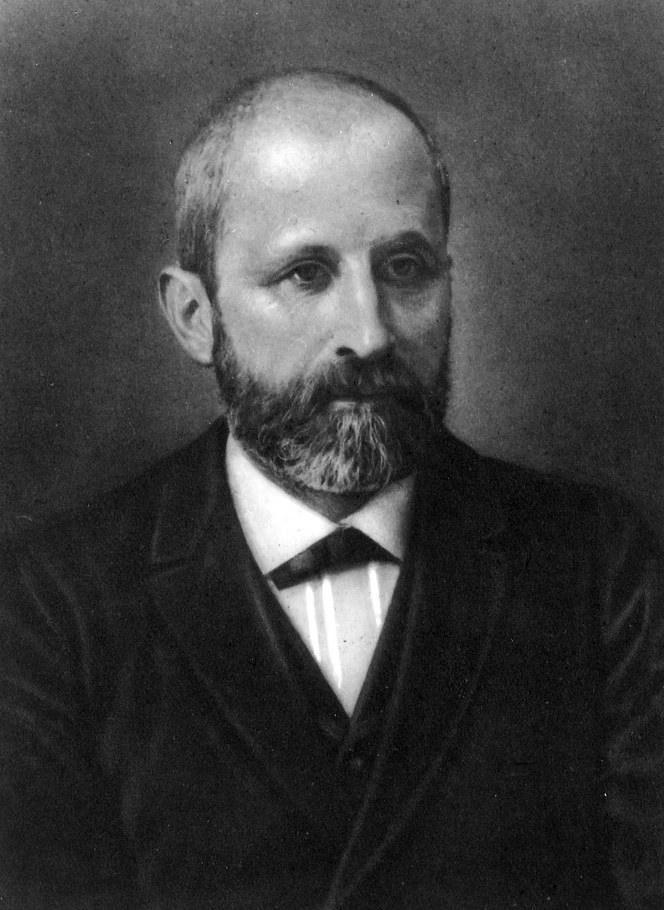
弗雷德里希·米歇尔1844年出生于瑞士巴塞尔。他的父亲和舅舅都是巴塞尔大学的教授,主要教授解剖学和生理学。米歇尔原本想成为一名神父,但遭到了父亲的反对,于是进入了当地的医学院学习并于1868年获得医学博士。1868年秋天,米歇尔加入了德国生理学家和化学家菲力克斯·霍佩-塞勒(Felix Hoppe-Seyler, 1825-1895)的实验室。当其他科学家还在辩论“细胞”的概念时,他的实验室已经专注于分离组成细胞的分子。
霍佩-塞勒让米歇尔研究淋巴细胞。这些细胞很难从淋巴腺中提取,但它们大量存在于脓液中。米歇尔从附近的一家诊所收集了大量沾有脓液的绷带,用稀释的硫酸钠溶液洗涤,使得脓细胞与其他物质分开,再用猪胃黏膜的酸性提取液处理。1869年,他成功从细胞核中分离出一种新的分子,取名为“核素(nuclein)”,之后被称为核酸。霍佩-塞勒亲自重复了他的实验并证实了他的发现。1871年,反映这一发现的论文《脓细胞的化学成分(Ueber Die Chemische Zusammensetzung Der Eiterzellen)》发表。同年,米歇尔回到巴塞尔,在莱茵河的上游发现鲑鱼的精子细胞相比于脓细胞更适合作为研究材料。米歇尔后来也成功地从其他细胞中分离出核素。
Friedrich Miescher was born in Basel, Switzerland in 1844. His father and uncle were both professors at Basel University and taught anatomy and physiology. Miescher initially wanted to become a priest but was opposed by his father, so he entered a local medical school and received an MD in 1868. In the autumn of 1868, he went to study at the laboratory of German physiologist and chemist Felix Hoppe-Seyler (1825-1895) at the University of Tübingen.When other scientists were debating the concept of “cell”, Hoppe-Seyler’s laboratory was already isolating the molecules that made up cells.
Hoppe-Seyler put Miescher to work on researching lymphocytes, a type of white blood cell. These cells were hard to obtain extract from the lymph glands, but they were found in great quantities in pus. Miescher collected many bandages from a nearby clinic and washed off the pus using a dilute sodium sulfate solution, and then treated them with an acidic extract of pig gastric mucosa. In 1869, he successfully isolated a new molecule from the cell nucleus and named it “nuclein”, later called nucleic acid.Hoppe-Seyler repeated his work and confirmed his discovery. Miescher published his discovery in his paper titled Ueber Die Chemische Zusammensetzung Der Eiterzellen (On the Chemical Composition of Pus Cells) in 1871. In the same year, Miescher returned to Basel and at the headwaters at the Rhine he found a more pleasant source material (compared to pus) in the sperm of the salmon. In 1872, he became the professor of physiology at Basel University.
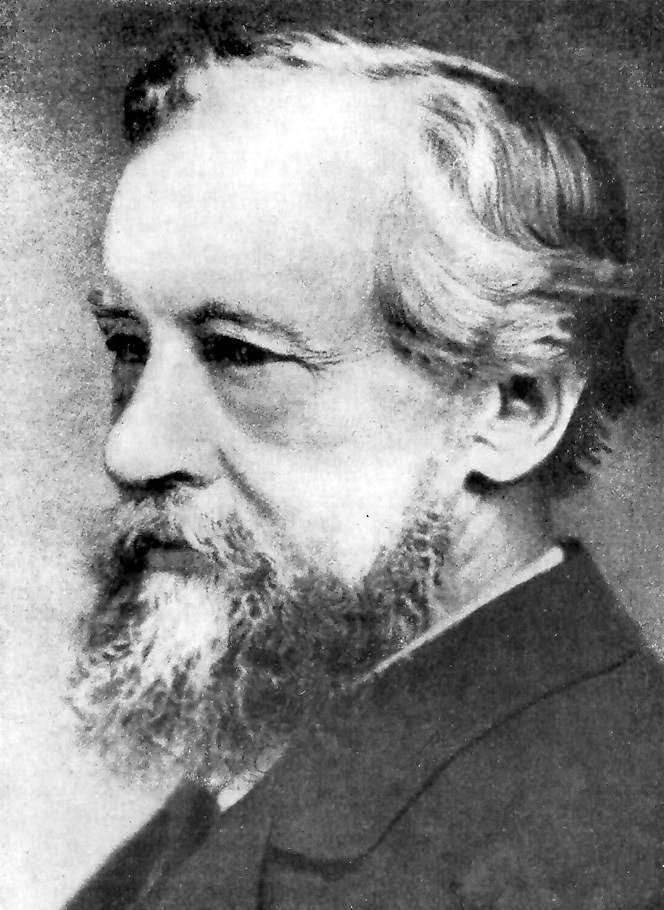
许霍·德弗里斯(1848年2月16日—1935年5月21日)是荷兰的植物学家,亦是遗传学研究的先驱。德弗里斯的父亲格利特·德弗里斯(Gerrit de Vries,1818-1900)曾担任荷兰首相,外公是莱顿大学考古学教授。德弗里斯从小就展现出对植物学的浓厚兴趣,先后求学于莱顿大学、海德堡大学和维尔茨布尔大学,1877年入职阿姆斯特丹大学讲授植物生理学,开启长达40年的教学生涯。
在达尔文泛生论的基础上,德弗里斯于1889年出版《细胞内泛生论(Intracellular Pangenesis)》一书,推测生物体内的遗传物质以颗粒的形式出现,且大小介于已知有机体和分子之间;德弗里斯称其为泛基因。为证实泛基因确实存在,在不知晓孟德尔遗传理论的情况下,德弗里斯研究植物杂交并得出和孟德尔第一、第二遗传定律类似的结论,以解释植物杂交子代为何以3:1的比例出现性状分离。在19世纪90年代末,德弗里斯了解到孟德尔对杂交豌豆的研究,而后致力于推广孟德尔的遗传学。此外,德弗里斯不满足于达尔文认为生物是逐渐进化的观点,在《突变理论(Die mutationstheorie)》中提出,生物在一代遗传到下一代时性状可能发生突变,甚至在一代之内形成新物种;该理论影响了托马斯·摩根对果蝇变体突变的研究。
Hugo de Vries (February 16, 1848 - May 21, 1935) was a Dutch botanist and a pioneer in genetics. Born as the eldest son in the family, de Vries’s father served as the prime minister of the Netherlands from 1972-1874, and his mother was a daughter of a professor in archaeology at Leiden University.From an early age, de Vries showed a keen interest in botany and studied at the Universities of Leiden, Heidelberg and Würzburg before joining the University of Amsterdam in 1877 to teach plant physiology, a career that lasted 40 years.
Influenced by Darwinian pangenesis, de Vries published Intracellular Pangenesis in 1889, which postulated that postulated that inheritance of specific traits in organisms take the form of particles, which de Vries termed as “pangenes” and 20 years later Wilhelm Johansen shortened it to gene. To support his theory of pangenes, de Vries conducted a series of experiments hybridizing various plant species in the 1890s.Unaware of Mendel's work, De Vries used the laws of dominance and recessiveness, segregation, and independent assortment to explain the 3:1 ratio of phenotypes in the second generation. But in the late 1890s, de Vries came to know Mendel's work and helped to promote it. In his own time, de Vries was best known for his mutation theory that organisms’ traits may differ significantly from the parental generation, sometimes even forming new species within one generation.Mutation theory served as the main explanatory framework in the 20th century and influenced Thomas Morgan to study mutations in the fruit fly.
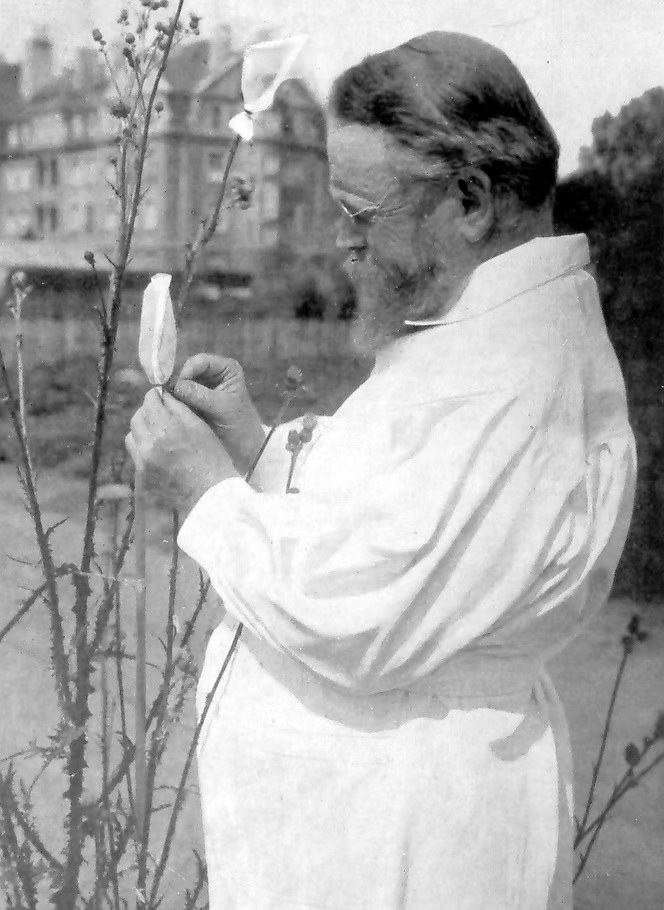
卡尔·科伦斯(1864年9月19日—1933年2月14日)是德国的植物学家,与许霍·德弗里斯(1848-1935)、埃里克·冯·切尔马克(1871-1962)齐名为孟德尔遗传定律的三位独立再发现者。科伦斯在1885年进入慕尼黑大学跟随植物学家卡尔·奈格利(1817-1891)学习,并帮助发表孟德尔与奈格里的通信。1902年,科伦斯成为莱比锡大学的特聘教授,在1913年被任命为位于柏林-达勒姆的凯撒威廉生物研究所的首任所长。在余下的生命里,科伦斯都在与为数不多的同事在研究所内的大型花园、温室中做杂交植物的实验。
在学术生涯初期,科伦斯主要研究异种直感效应(xenia effect),即花粉基因对果实发育的不同影响,比如同一株玉米上可能结出不同色的玉米粒。科伦斯首先对玉米(学名 Zea mays)进行杂交实验。1896年左右,科伦斯接触到孟德尔的《植物杂交实验》一文,而后将实验对象转向豌豆(学名 Pisum),并在1900年5月发表《孟德尔有关杂交变种后代性状的规律》一文。此后,科伦斯致力于研究遗传因子和性状表现之间的关系。值得一提的是,科伦斯与埃尔温·鲍尔(1875-1933)同时且相互独立地注意到非孟德尔的细胞核外遗传现象。
Carl Correns (19 September 1864 - 14 February 1933) was a German botanist and probably most famous for counting among the three re-discoverers of Mendel’s work. In 1885 Correns entered the University of Munich and studied with the renowned botanist Carl Wilhelm von Nägeli (1817-1891), with whom Gregor Mendel had corresponded with Correns became the Extraordinary Professor at the University of Leipzig in 1902, and was appointed First Director of the newly founded Kaiser Wilhelm Institute for Biology in Berlin-Dahlem in 1913, where he had large gardens and greenhouses for experimental work at his disposal. He continued to work there in seclusion and with a very small number of coworkers until his death in 1933.
Correns showed a large interest in xenia effect, the effect of the pollen genes on the development of the fruit or the seeds. He first conducted hybridization experiments on Zea Mays (corn); after reading Mendel’s paper “Experiments on Plant Hybrids” probably in 1896, Correns studied xenia in Pisum (peas). In May 1900, Correns published his seminal paper “G. Mendel’s Rule Concerning the Behavior of Progeny of Varietal Hybrids” and focused on the complex relationships between genetic factors and character ever since. In addition to promoting Mendel as the founding figure, Correns co-discovered non-Mendelian (extranuclear) heredity at the same time with Erwin Baur in 1909.
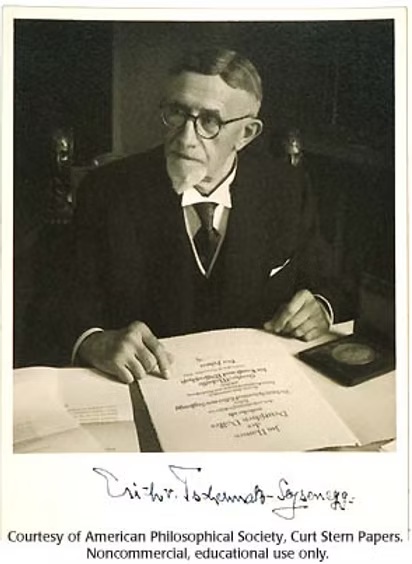
埃里克·冯·切尔马克(1871-1962)是奥地利-匈牙利籍的植物学家和农学家。1896年,切尔马克在德国的哈雷大学获得博士学位。在求学期间,年轻的切尔马克已与著名植物学家许霍·德弗里斯(1848-1935)、卡尔·科伦斯(1864-1933)保持着信件往来,并在1900年首次发表有关遗传学的论文。切尔马克于1901年入职维也纳农业科学大学,五年后成为该大学的教授。自1900年以来,他致力于推广孟德尔的学术成果与生平,并帮助孟德尔的论文在1901年重新发表。此外,切尔马克还将孟德尔遗传定律付诸实践用于植物培育。
切尔马克自认为与许霍·德弗里斯、卡尔·科伦斯同时且相互独立地在1900年,也就是孟德尔定律重闻于世的奇迹年,再次发现了孟德尔定律。然而,在20世纪下半叶,有学者指出切尔马克在1900年的论文中对孟德尔的概念和术语有所误解,认为他没有受到孟德尔的直接影响,因而否认切尔马克是孟德尔定律的再发现者。但在2009年夏天,维也纳奥地利科学院档案馆所保存的有关切尔马克的藏品对外开放,历史学家进而了解到切尔马克与其兄长阿尔敏·冯·切尔马克(Armin von Tschermak-Seysenegg)自1898至1951年的书信记录。这些书信表明,切尔马克对遗传定律有着深刻理解,而现今学术界也普遍承认切尔马克是孟德尔定律的再发现者之一。
Erich von Tschermak-Seysenegg (1871-1962, here after E.T.S.) was an Austrian-Hungarian botanist and agronomist. He received his doctorate from the University of Halle, Germany, in 1896. E.T.S corresponded with Hugo de Vries and Carl Correns and published his first paper in 1900. He later accepted a teaching position at the University of Agricultural Sciences Vienna in 1901 and became a professor there five years later.Since 1900, E.T.S contributed to the commemoration and celebration of Mendel’s personality and work, including the re-publication of Mendel’s paper in 1901.
E.T.S. self-identified and is now identified as a rediscoverer of Mendel’s laws in the annus mirabilis 1900 along with Hugo de Vries and Carl Correns. However, during the second half of the 20th century, scholars argued that E.T.S misunderstood Mendel’s conceptual and terminological terms in his 1900 paper and excluded E.T.S from the list of rediscoverers. It was not until the summer of 2009, when a personal collection of E.T.S. held by the Archives of the Austrian Academy of Sciences in Vienna was catalogued and opened for historical research, that E.T.S’s 1898-1951 correspondences with Armin von Tschermak-Seysenegg, E.T.S’s older brother and a prominent physiologist, became available.The correspondences demonstrated that E.T.S. had a deep understanding of laws of heredity, and scholars now have argued for recovering E.T.S’s position as one of the rediscoverers.
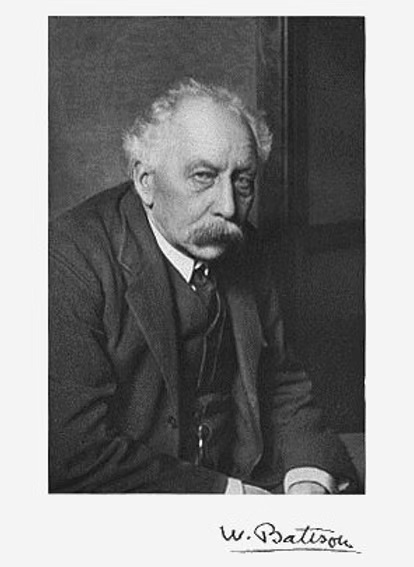
威廉·贝特森(1861年8月8日—1926年2月8日)是英国的生物学家,以命名“遗传学(genetics)”而闻名,并为现代遗传学提供实验证据。贝特森分别于1883年、1886年在剑桥大学获得学士、硕士学位,并于1908年成为剑桥大学的生物学教授。1910年,贝特森离开剑桥大学,前往位于伦敦南部默顿的约翰-英纳斯园艺研究所,将该研究所改建为遗传学研究中心,在此度过余生。
贝特森如今被认为是孟德尔遗传规律的伟大支持者。而在1900年重新发现孟德尔的论文之前,贝特森醉心于研究生物进化。贝特森在1894年出版了《生物变异研究(Materials for the Study of Variation)》,并在书中讨论特定的生物特征如何在子代中突然出现或消失。
1900年后,贝特森转而推广孟德尔的遗传规律,并将孟德尔定律实践于动植物育种。此外,贝特森在1905年4月18日写给亚当-塞奇威克(1854-1913,剑桥大学动物学家)的私人信件中首次提出 "遗传学(genetics)(来自希腊文gennō,γεννώ;"生育")”一词,用以描述遗传和变异的科学研究;并在1906年伦敦第三届国际植物杂交会议上公开使用 “遗传学”一词。而三年后,威廉-约翰森(1857 –1927)才首次将 "基因(gene) "一词用于描述遗传信息的基本单位。
William Bateson (August 8, 1861 - February 8, 1926) was a British biologist who founded and named the science of genetics and whose experiments provided evidence basic to the modern understanding of heredity. Bateson gained his B.A. and M.A from the University of Cambridge in 1886, and became a professor of biology there in 1908.He left this chair in 1910 to spend the rest of his life directing the John Innes Horticultural Institution at Merton, South London (later moved to Norwich), and transformed it into a center for genetic research.
Bateson is now best known as the great companion to Mendel’s laws of heredity. Prior to the rediscovery of Mendel’s paper in 1900, Bateson focused on explaining evolution and published Materials for the Study of Variation in 1894, showing how some biological characteristics could appear or disappear abruptly in the progeny.
After 1900, Bateson contributed to promoting Mendel’s laws of heredity and publicized the usefulness of Mendelian science for practical breeders.In addition, Bateson first suggested using the word “genetics” (from the Greek gennō, γεννώ; “to give birth”) to describe the study of inheritance and the science of variation in a personal letter to Adam Sedgwick (1854-1913, zoologist at Cambridge) on 18 April 1905, and used the term “genetics” publicly at the Third International Conference on Plant Hybridization in London in 1906, three years before Wilhelm Johannsen (1857-1927) applied the word “gene” to the units of hereditary information.
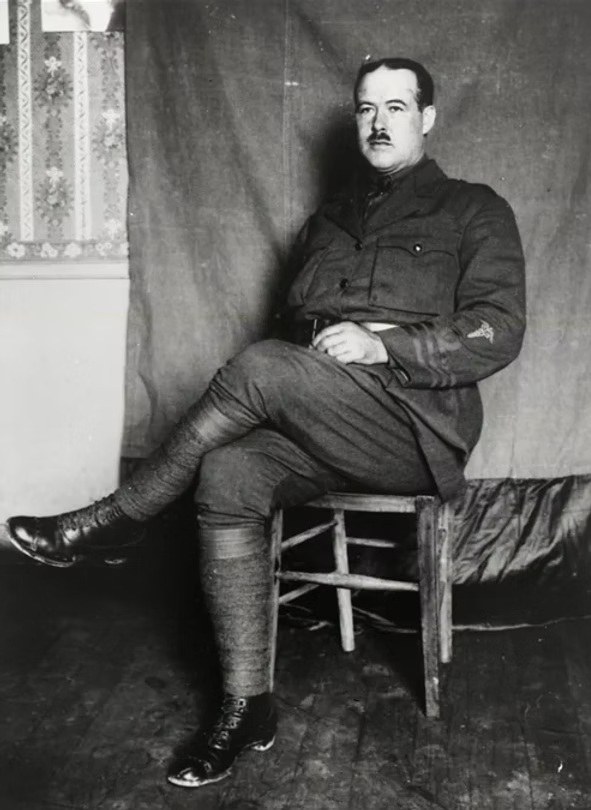
沃尔特·斯坦伯勒·萨顿(1877年4月5日—1916年11月10日)是美国的遗传学家与医生。萨顿出生于纽约,在家里的七个孩子中排行第五,在10岁时随家人搬到堪萨斯州的一处农场。萨顿在1896年进入堪萨斯大学学习机械工程,后转向生物科学,并在1900年获得学士学位,1901年获得硕士学位,成为克拉伦斯·埃尔文·麦克朗(1870-1946)的首批研究生之一。
在麦克朗的建议下,萨顿继而求学于哥伦比亚大学,跟随埃德蒙·比彻·威尔逊(1856-1939)学习,于1907年获得医学博士学位,后回到堪萨斯大学任职医学助理教授。同时,作为医术精湛的外科医生,萨顿于1915年,也就是第一次世界大战期间,前往位于巴黎郊外的军队医疗队服役。回到美国不久后,萨顿因阑尾破裂不幸英年早逝,年仅39岁。
在遗传学方面,萨顿首次提出染色体上携带遗传物质,并认为染色体是孟德尔遗传定律的物质基础。他在《生物学通报Biological Bulletin》上发表了两篇开创性论文:1902年的 《论大褐藻的染色体组的形态 》和1903年的 《遗传中的染色体》。可以说,萨顿的这两篇论文确立了遗传的细胞学基础。值得一提,作为一名著名的外科医生,萨顿还曾研究在外科手术中使用乙醚进行直肠内麻醉。
Walter Stanborough Sutton (5 April 1877-10 November 1916) was an American geneticist and physician. Sutton was born in Utica, New York, the fifth of seven sons. When he was 10 years old, the family moved to Kansas. In 1896, he enrolled at the University of Kansas in engineering, and later in biological sciences, gaining a bachelor’s degree in 1900 and a master’s degree in 1901, as the first graduate student of Clarence Erwin McClung (1870-1946, American zoologist).
On McClung’s advice, Sutton transferred to the University of Columbia and studied with Edmund Beecher Wilson (1856-1939, American zoologist and geneticist), receiving his M.D. in 1907, and later accepted an appointment as Assistant Professor of Surgery at the University of Kansas. As a renowned surgeon, Sutton served in the army medical corpses in France during World War I in 1915.After returning to the U.S., Sutton died young at 39 for a ruptured appendix; ironically a subject he had studied and written on.
Sutton was best remembered for recognizing that chromosomes carry genetic material and serve as the basis for Mendelian inheritance. He published two seminal papers in the journal Biological Bulletin: “On the Morphology of the Chromosome Group in Brachystola magna” in 1902, and “The Chromosomes in Heredity” in 1903, which established the cytological basis of heredity. In addition to genetic studies, as a renowned surgeon, Sutton also worked on rectal administration of ether for anesthesia.
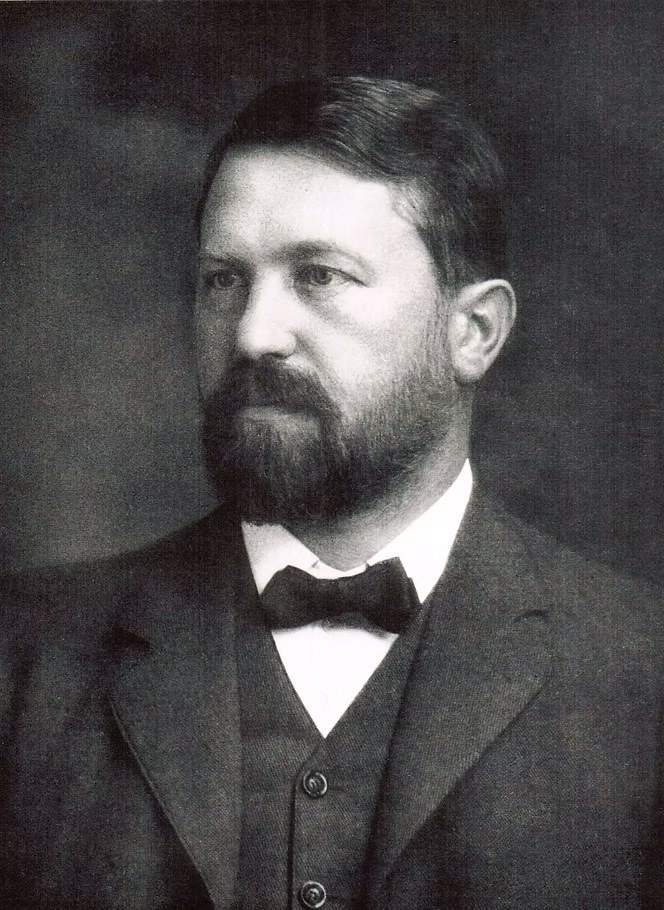
西奥多·海因里希·勃法瑞(1862年10月12日—1915年10月15日)是德国的动物学家、比较解剖学家,且对现代细胞学有着卓越贡献。勃法瑞在1881年求学于慕尼黑大学,1885年以优异的成绩荣获博士学位,并在解剖学家卡尔·冯·库普费尔(1829-1902)的指导下完成论文《对神经纤维知识的贡献(Beitrage zur Kenntnis der Nervenfasern)》。勃法瑞随后就职于慕尼黑大学的动物学研究所,在1887年成为动物学和比较解剖学的讲师。勃法瑞在1893年转任维尔茨堡大学动物学-动物解剖学研究所的主任;此后,除了偶尔造访那不勒斯动物学研究所,勃法瑞在维尔茨堡大学进行研究工作,直至1915年逝世。
1897年勃法瑞在波士顿与马切拉·奥格雷迪(Marcella O'Grady,1863-1950)结婚,并在1900年育有女儿玛格丽特。勃法瑞夫人是麻省理工学院的第一位女毕业生,师从埃德蒙·比彻·威尔逊(1856-1939),极大帮助了勃法瑞的研究。
在遗传学方面,勃法瑞用实验证实了染色体可以作为遗传物质。勃法瑞早期的实验对象是寄生在马内脏中的马副蛔虫(Parascaris equorum);这种线虫只有四个染色体,有利于勃法瑞观察细胞分裂时染色体的变化。勃法瑞在1889年就实验结果发表论文《一种没有母性特征的有性孕育的生物体 》,并提出染色体能决定生物体性状,该文在学术界轰动一时。
Theodor Heinrich Boveri (12 October 1862 - 15 October 1915) was a German zoologist, comparative anatomist, and co-founder of modern cytology. In 1881, Boveri entered the University of Munich and received the doctorate summa cum laude in 1885, with a thesis titled “Beiträge zur Kenntnis der Nervenfasern (Contributions to the knowledge of nerve fibers),” supervised by the anatomist Carl von Kupffer (1829-1902).He then worked for the Institute of Zoology at the University of Munich and in 1887 qualified as a university lecturer in zoology and comparative anatomy.In 1893, Boveri became the director of the Zoological-Zootomical Institute at the University of Würzburg, where he stayed until he died in 1915 except for paying several occasional visits to the Zoological Station at Naples.
Boveri married Marcella O'Grady (1863-1950) in Boston in 1897. Mrs Boveri actively participated in Boveri’s scientific work and the couple had one daughter, Margaret, in 1900.Boveri contributed significantly to the chromosomal theory of heredity.
In the early years Boveri experimented on the nematode Ascaris megalocephala (Parascaris equorum) that parasitizes the guts of horses and has only four chromosomes. In the influential 1889 paper titled “A sexually conceived organism without maternal traits,” Boveri reported his results and suggested that the chromosome content determines the characteristic traits of the organism.
1901-02年,勃法瑞与其夫人将观察对象转向光棘球海胆(学名Paracentrotus lividus)。他注意到,在两个精子与一个卵子结合时,双受精的海胆卵即刻分裂成四个细胞,而非先分裂为两个细胞,再分裂为四个细胞;而重要的是,染色体不均匀地分布在分裂产生的四个细胞中。基于此,勃法瑞在1902年的论文 《关于多极有丝分裂作为分析细胞核的手段(Über mehrpolige Mitosen als Mittel zur Analyse des Zellkerns )》中总结道,染色体数量对生物体发育至关重要,并有先见地提出癌症可能与染色体异常有关。
In 1901 and 1902, Boveri and his wife made observations on a specific species of sea urchin, Paracentrotus lividus. Boveri noticed a mismatch between the number of chromosomes in double-fertilized urchin eggs that develop immediately into four-cell embryos, skipping the usual two-cell stage. And he summarized in his 1902 paper “Über mehrpolige Mitosen als Mittel zur Analyse des Zellkerns [Concerning multipolar mitoses as a means of analyzing the cell nucleus]” that a balanced number of chromosomes is crucial for the development of organisms, and that cancer might relate to chromosomal abnormalities.
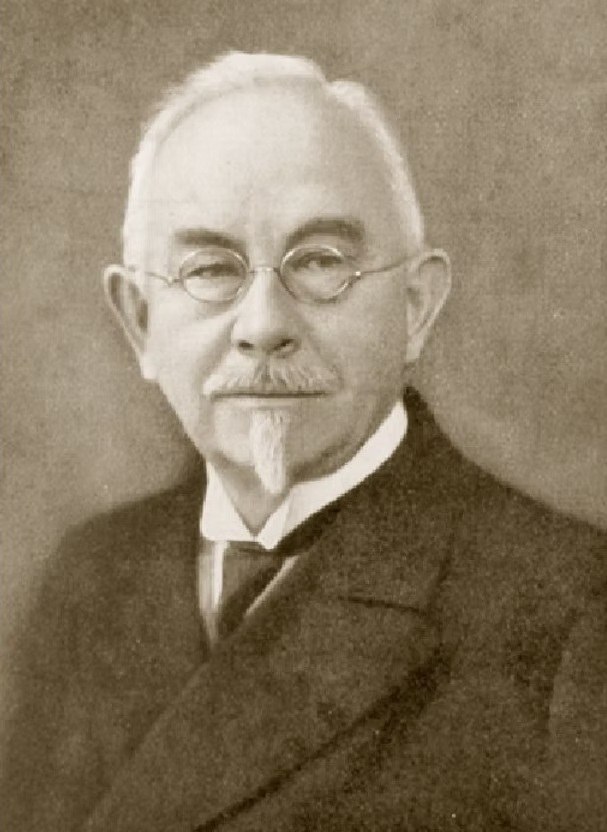
威廉·约翰森(1857年2月3日—1927年11月11日)是丹麦的药剂师、植物学家、植物生理学家、遗传学家。约翰森出生于哥本哈根,是家中次子;由于经济拮据,其父决定让其兄上大学,而约翰森接受职业培训成为药剂师。在培训期间,约翰森得以在哥本哈根大学学习一年,期间成为欧根纽斯·温格(1841-1924)的得意门生。在通过药剂师考试后,1881年约翰森成为丹麦嘉士伯实验室的助理,得以参与前沿生物学研究,并前往德国、法国交换学习。约翰森于1892年成为皇家兽医和农业学院的讲师,教授植物生理学;1905年入职为哥本哈根大学的杰出教授,并于此工作至逝世。约翰森同时享誉美国学术界,在1915年成为费城自然科学院的成员。
约翰森的学术生涯环环相扣:1895年,他与欧根纽斯·温格合作编写第三版教科书《普通植物学(Den almindelige Botanik)》,在书中将细胞学理论应用于植物生理学。在研究植物的过程中,约翰森对遗传与变异产生兴趣,并不认同达尔文将子代与亲代之间的差异解释为自然选择、人工选择的结果。1903年,约翰森发表专著记录其对菜豆(学名 Phaseolus vulgaris)的实验,利用菜豆自交的特性,也就是他所称的纯系(pure line),研究子代、亲代菜豆重量的差异;他发现从个体来看,子代菜豆的重量难以预测,但从整体的角度看,子代菜豆的重量呈正态分布。
Wilhelm Johannsen (3 February 1857 - 11 November 1927) was a Danish pharmacist, botanist, plant physiologist, and geneticist. Johannsen started in the best primary and secondary schools of Copenhagen. Because his father could only afford one son at the university, Johannsen took vocational training as a pharmacist, which included a 1-year study at the University of Copenhagen where he became a favorite student of Eugenius Warming (1841-1924), the professor of botany.After passing the exams as a pharmacist, in 1881 Johannsen was appointed assistant at the Carlsberg Laboratory and pursued advanced biological studies including extended periods in Germany and France. Johannsen became a lecturer in plant physiology at the Royal Veterinary and Agricultural College in 1892, and in 1905 a professor ordinarius in plant physiology at the University of Copenhagen, where he spent the rest of his career.Johannsen enjoyed international fame and became a corresponding member of the Academy of Natural Sciences of Philadelphia since 1915.
Johannsen develops his genotype theory with a process: In 1895 he collaborated with Eugenius Warming on the third edition of the textbook Den almindelige Botanik (general botany) and contributed to combining cell theory with plant physiology. By studying plants, Johannsen became interested in the relationship between heredity and variation, and criticized Darwinism for taking selection, whether natural or artificial, as the main cause of hereditary change.In his 1903 monograph, Johannsen recorded the classical selection experiment on beans (Phaseolus vulgaris), a self-fertilizer which he termed as “pure line,” for studying the variability in the progeny.
约翰森最杰出的贡献在于将基因、基因型、表现型这三个概念引入学术界,并在1909年的德语教科书《遗传学原理(Elemente der Exakten Erblichkeitslehre)》和1911年的英文论文《遗传的基因型概念》中加以使用与推广。约翰森推测遗传因子和性状表现之间的关系是多对多的,即一个性状受多个基因影响、一个基因可能影响多个性状;同时他采取整体论的态度,认为遗传的基本概念在于基因型,而非单个基因。
Johannsen is best remembered for coining gene, genotype, and phenotype in his Germanic book Elements of the exact theory of heredity [Elemente der Exakten Erblichkeitslehere] (1909), and English paper “The Genotype Conception of Heredity” (1911). Finally, in Elemente Johannsen proposed that the relation between hereditary factors and characters was many-to-many.In this way, Johannsen took a holistic view of genotype and phenotype; differing from the modern interpretation, Johannsen took genotype, instead of gene, as the basic concept.