


从豌豆
到人类基因组计划
From Peas
to the Human Genome Project
纪念孟德尔诞辰200周年线上展 Celebrating Gregor Mendel's 200th birth anniversary



前言 Introduction
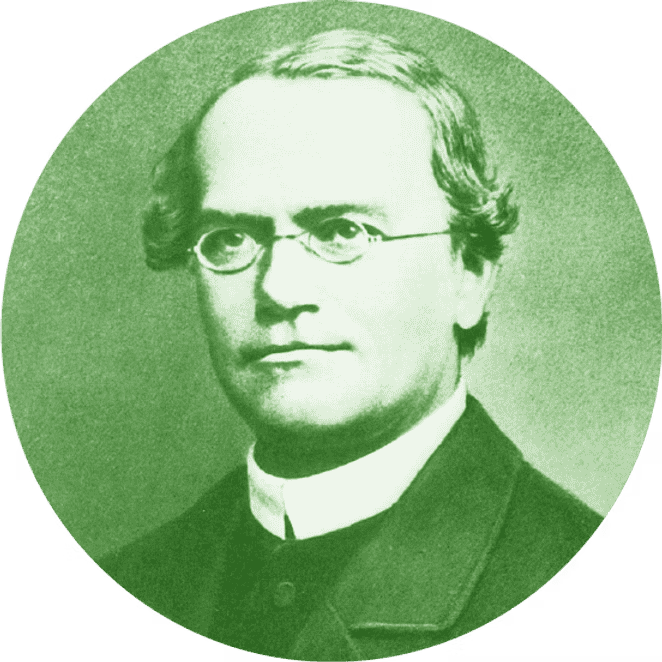
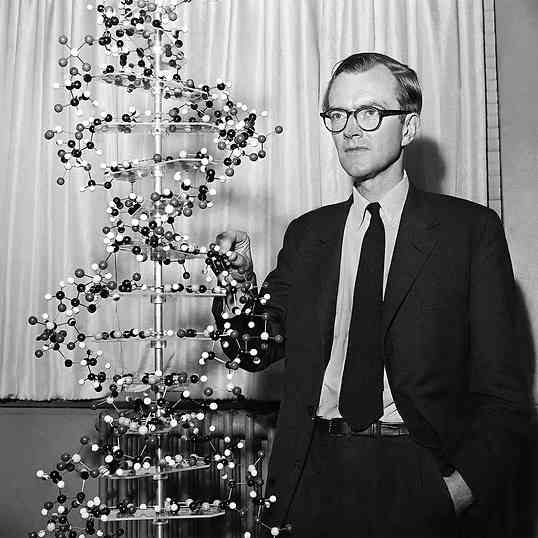
2022年是奥地利遗传学家孟德尔诞辰200周年。19世纪中叶,在奥地利布隆修道院的花园,这位孤独的天才用豌豆做了多年实验,最早阐发了生物性状的遗传规律。沉寂30多年后,他的工作在1900年被3位生物学家重新发现。之后,遗传学与进化论在20世纪30年代结合,此时,也迎来了科学仪器,尤其是分析仪器的变革,促进了生命科学的进一步发展。生命科学不再仅仅是寻找真理,它开始建构自己的真理。沃森和克里克在1953年提出了DNA双螺旋结构模型,标志着分子生物学的诞生,而1970年代的重组DNA重组技术,使得生命科学全面改观,到了1990年代,人类基因组计划的提出和实施,开辟了基因研究和基因技术的新篇章。
This year marks the bicentennial of the birth of the father of genetics, Gregor Johann Mendel. In the gardens of a Brünn monastery, this solitary genius experimented with peas for many years and was the first to elucidate the laws of heredity. After thirty years of quiet unrecognition, his work was rediscovered by three biologists in 1900. Genetics and evolution were then combined in the 1930s, while a change in scientific instruments especially analytical instrument also ushered in, which promoted the further development of life sciences. The research of life sciences was no longer only to seek the truth – it began to construct its own truth. In 1953 Watson and Crick’s discovery of the double helix structure of DNA marked the birth of molecular biology, and recombinant DNA technology in the 1970s changed the field of life sciences in an all-round way. In the 1990s, the proposal and implementation of the human genome project opened a new chapter in gene research and gene technology.
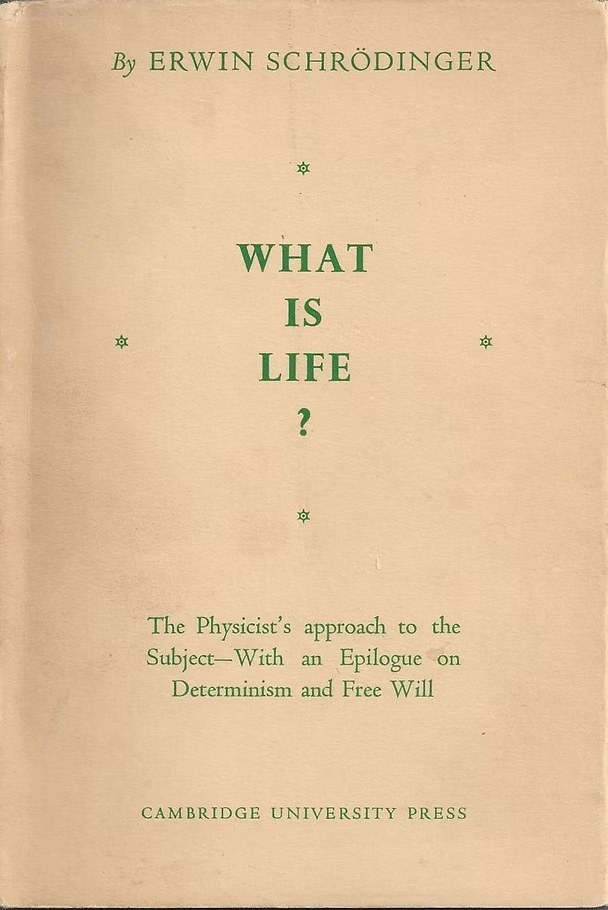
美国科学史研究院位于费城,是一座集研究、收藏和展示于一体的综合型研究机构,它所收藏的反映上世纪早期化学、生命科学领域发展的经典仪器独具特色。本次展览由清华大学科学史系、清华大学科学博物馆与科学史研究院合作举办,共分为5个部分,分别为(1)发现孟德尔(2)果蝇和小鼠(3)生命是什么(4)双螺旋(5)DNA时代,辅以科学史研究院提供的多件珍贵仪器,希望观众在科学巨匠、经典实验与科学仪器之间,领略生命的至善至美。
The Science History Institute (SHI), located in Philadelphia, USA, is a comprehensive research institution integrating research, collection, and display. Its unique collection of classic instruments reflects the early development of chemistry and the life sciences in the last century. This exhibition, organized by Tsinghua University‘s department of the History of Science, Tsinghua Science Museum, as well as the Science History Institute, is divided into five parts, which are (1) Discovering Mendel (2) Fruit fly and Mouse (3) What is life (4) Double Helix (5) DNA Era and displays a number of precious scientific instruments provided by the Science History Institute, hoping that visitors will appreciate the supreme beauty of life among the discoveries of great scientists, classic experiments and exquisite instruments.
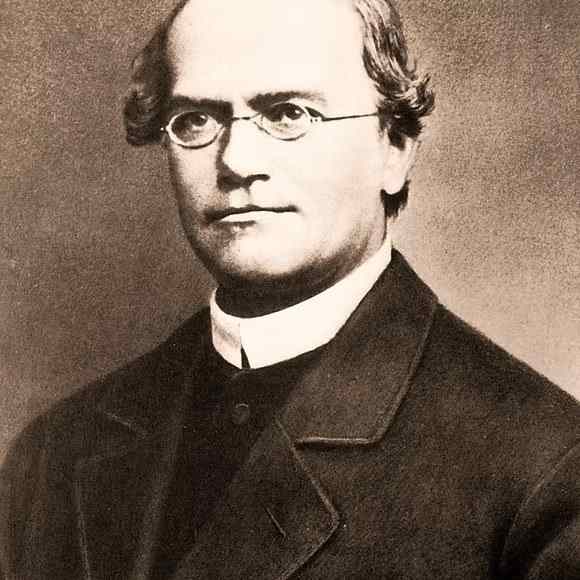
关于孟德尔的学说,在上世纪20年代就已经传入中国。他1866年的论文《植物杂种之实验》,在1920-21年曾全文翻译连载在《学艺杂志》上。
Mendel's theory was introduced to China in the 1920s. His 1866 paper was translated and serialized in XueYI ZaZhi from 1920 to 1921.
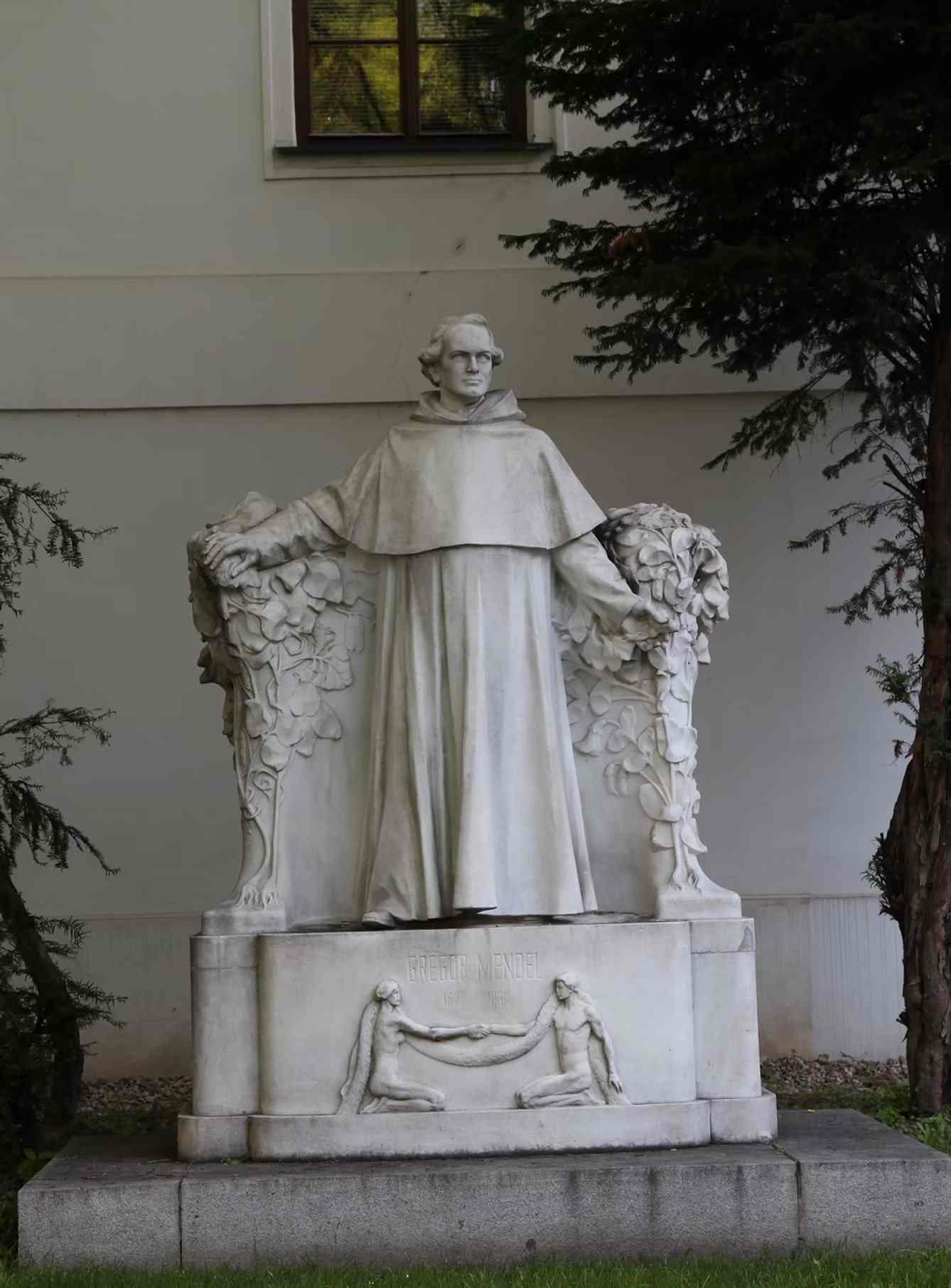
而对于孟德尔的雕像,在伊尔狄斯(H.Iltis)1924年著《Life of Mendel》(谭镇瑶1936年译《门德尔传》)中曾这样介绍:
This statue was introduced in Life of Mendel (translated to Chinese by Tan Zhenyao in 1936) by Hugo Iltis (1882-1952) as follows:
纪念研究家格列高·门德尔
1822—1884
Along the lowest part of the front is a further inscription
ERECTED IN 1910 BY THE FRIENDS OF SCIENCE
像之最下刻
1910年科学界同人敬立
介于上述文字之间,两青年男女裸身长跽握手。此为门德尔遗传定律与人生关系之象征。该纪念物不独于门德尔为有价值之贡献,抑且为雕刻中精品也。
Between these two inscriptions and upholding the upper one, in slight relief, are the figures of a youth and a maiden, nude and kneeling, with joined hands. This is a subtly allegorical allusion to the far-reading importance Mendel’s genetic laws are likely to have upon human life. The monument is not only a noble tribute to Mendel but an extraordinarily beautiful example of the sculptor’s art.
立像揭幕礼于1910年10月举行,此生前徜徉于小园花木蜜蜂间之研究家尊荣可谓极致。彼赞美古藤堡及印刷术之散文诗不啻其自道也。
The unveiling of the memorial took place on October 2, 1910. All honour was then paid to the life and work of the retiring investigator who in the little garden near at hand had been so happy among his flowers and his bees. To him were now applicable the somewhat crude but thoughtful verses he had himself in boyhood penned in memory of Gutenberg:
若上帝赋我以
人世无上之乐趣,
幸能实现此崇高之理想,
则我之工作
将日趋美满,与
后来者之伟大成就并寿。
May the might of destiny grant me
The supreme ecstasy of earthly joy,
The highest goal of earthly ecstasy,
That of seeing, when I rise from the tomb,
My art thriving peacefully
Among those who are to come after me.
1910年威廉·贝特森代表德国门德尔派生物学家发表演说,谓本门德尔学理,各民族应联合一致,毋相冲突,并引援席勒尔(Schiler)语作结曰:“全人类由此保守和平”。
That was in the year of 1910, and William Bateson, as spokesman of the British mendelians, delivered a speech extolling the power of science to bring the nations together, concluding with Schiller’s words: “Alle Menschen werden Brüder.”
单元Sections
人类基因组计划The Human Genome Project

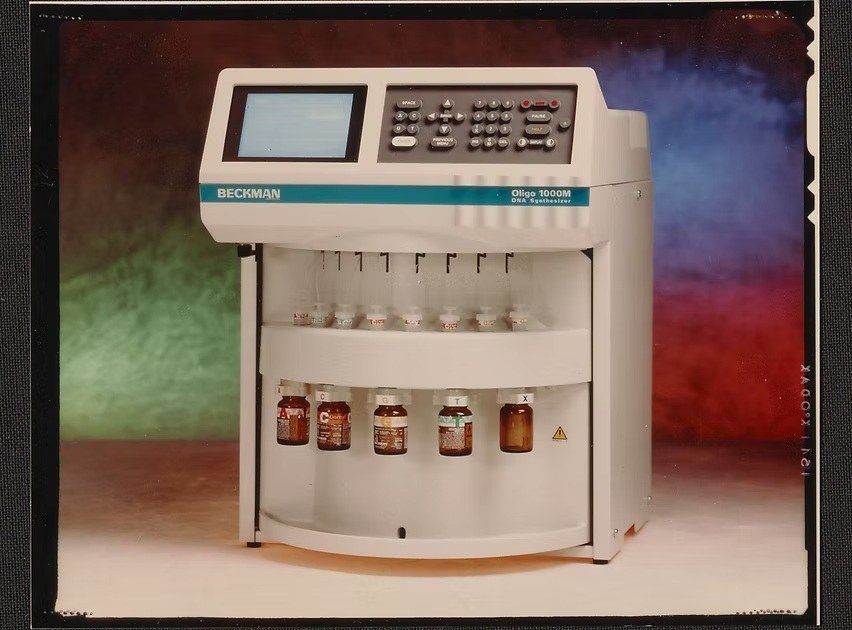
人类基因组计划(HGP)于1990年开展、2003年圆满结束,是多国合作的科学研究项目;其目的是为了确定人类各个基因(约2.5万个)在染色体上的位置,并对所有基因进行测序(共约30亿个碱基对)。
The Human Genome Project (HGP) was an international scientific research project with the goal of determining the base pairs that make up human DNA – both to map the exact location of the genes on chromosomes and to sequence all of the genes of the human genome, and took place during 1990 to 2003.
1990年,HGP在美国正式启动,而其成立动机可追溯到80年代中期:1985年,时任加州大学圣克鲁兹分校校长的罗伯特·辛斯海默(1920-)首次提出科学家应对人类基因组进行测序。虽然这一石破天惊的想法立刻受到了公众的质疑,美国能源部(DOE)在1986年公开表示愿意资助定位、测序人类基因的科学研究。1988年,美国国家科学院的特别委员会提议启动人类基因组计划,将其规划为一个15年的长期项目,每年提供约2亿美元的资金。1988年底,诺贝尔奖获得者詹姆斯-沃森说服了美国国家卫生研究院(NIH),此举极大地推动了人类基因组计划。美国能源部和美国国家卫生研究院随即将HGP的正式启动时间定在了1990年10月1日。
HGP formally launched in 1990 in the U.S., and its formative days dated back to the mid-80s: Robert Sinsheimer(1920-), then chancellor of the University of California at Santa Cruz, first proposed to sequence human genome in 1985, and the idea initially suffered from public distrust. But in 1986, Charles DeLisi of the U.S. Department of Energy (DOE) decided to begin funding research into genome mapping and sequencing. In 1988, a special committee of the U.S. National Research Council of the U.S. National Academy of Sciences recommended the initiation of the Human Genome Project, calling for a 15-year project with funding of about $200 million a year. The genome project received a significant boost in late 1988 when Nobel Laureate James Watson stepped forward to lead a new National Institutes of Health (NIH) component of the effort. And DOE and NIH set the clock for the official initiation of HGP to October 1, 1990.
尽管人类基因组计划一开始仅在美国开展,随着项目推进,多个国家加入了HGP并建立国际合作。1996年2月,英国、法国、德国和日本的研究人员参与首届“人类基因组测序国际战略会议”(第一届ISMHGS,又称“百慕大会议”),正式加入HPG。该会议还制定了《百慕大原则》,即HGP的研究人员应当每天将新得出的DNA序列面向公众无偿发布。中国,作为最后一个参与国和唯一的发展中国家,在1999年8月31日的第五次战略会议上正式加入。中国的研究人员负责测序3号染色体顶端约30厘摩(相当于人类基因组中约3000万个碱基对)的区域;这块区域约占整个人类基因组的1%,因此又称“1%计划”、“人类基因组序列之中国篇”、人类基因组的“北京地区”。2000年4月,中国的研究人员在半年内提前完成了该区域的测序工作。
Though HGP began as a project specifically in the U.S., it gradually included more countries and stimulated international cooperation. In 1996, the UK, France, Germany, and Japan joined in HPG at the 1st “International Strategic Meeting on Human Genome Sequencing” (1st ISMHGS, also called“Bermuda Meeting”) in the February of 1996. The meeting also set the Bermuda Principles that mandates daily release of HGP-funded DNA sequences into the public domain. China, as the last participant and the only developing country, joined in at the 5th Strategic Meeting on August 31, 1999, and was committed to sequencing a region of approximately 30 centimorgan (one centimorgan corresponds to roughly 1 million base pairs in the human genome) on the tip of the short arm of chromosome 3. The part was then estimated to account for about 1% of the entire human genome, thus called the “1% Project,” or the “Chinese Chapter of the Human Genome Sequence,” or the “Beijing Region” of the human genome (shown in picture above). China accomplished sequencing the region within half a year in April 2000.
虽然人类基因组计划预计花费15年的时间,HGP在2003年4月14日宣告正式结束并取得全面成功。该项目的发展过程大致可分为三个阶段:在1990年到1994年9月,HGP的研究人员确定了各个基因在染色体上的位置;2000年6月26日,国际人类基因组的测序委员会宣布大致完成人类基因组的测序;此后,测序委员以染色体为单位校对、精确化序列数据,最终在2003年4月以高达99.99%的精确度确定了人类基因组中99%的基因的序列。此外,研究人员还测出大肠杆菌(E. coli)、酿酒酵母(S. cerevisiae)、秀丽隐杆线虫(C. elegans)、黑腹果蝇(D. melanogaster)的基因组序列,并确定了双桅隐杆线虫(C. briggsae)、果蝇(D. pseudoobscura)、小鼠(mouse)、大鼠(rat)的基因在其染色体上的位置。
HGP was expected to take fifteen years but ended two years earlier on April 14, 2003, with full succuss. With retrospection, the project can be roughly periodized into three stages: 1. From 1990 to September 1994, HGP researchers sketched out the human genome map. 2. On June 26, 2000, the International Human Genome Sequencing Consortium announced that it completed a working draft of the sequence of the human genome. 3. The international consortium continued to complete the human genome sequence at the highest quality in a chromosome-by-chromosome manner, and in April 2003, the researchers claimed to have finished 99% of gene-containing part of human sequence with more than 99.99% accuracy. In addition, HGP researchers also finished genome sequences of E. coli, S. cerevisiae, C. elegans, D. melanogaster, plus whole-genome drafts of several others, including C. briggsae, D. pseudoobscura, mouse and rat.
人类基因组计划不仅是国际合作的模板,也是遗传学成就的里程碑,并对药品研发大有助益。在20世纪80年代之前,发现新药物主要靠“碰运气”——人们无从得知药物的分子、蛋白质构成。而据HGP显示,人体中含大约两万个蛋白质可作为药物的作用对象,这对药品研发具有指导作用。现今的大部分药物并不直接作用病毒,而作用于人体中的蛋白质——比如目前治疗新冠的药物中,仅有1%直接作用于新冠病毒,大多数调节的是人体中的蛋白质。
HGP’s success marked a significant step of genetic technology and international cooperation. One benefit from HGP lies in improving drugs: Before about the 1980s, drugs were found largely by serendipity – their molecular and protein targets were usually unknown. HGP reveals roughly 20,000 proteins as potential drug targets. Nowadays, the majority of successful drugs do not directly target individual disease genes; instead, they target proteins one or two interactions away. For example, large-scale screens of existing drugs that could be repurposed for use against COVID-19 found that only 1% of promising candidates targeted a viral protein — the majority were drugs that modulated human proteins.
与其说画上一个完满的句号,不如说人类基因组计划开辟了基因研究和基因技术的新篇章。HGP并非十全十美——其样本囿于极少数的志愿者,而现在正在进行的人类基因组多样性计划(HGDP)致力于弥补这一缺陷,研究来自各个人种、性别、社会背景的志愿者的基因。随着对人类基因组的理解加深,基因编辑技术成为热门话题:2020年的诺贝尔化学奖颁给了埃马纽埃尔·沙彭蒂耶和珍妮弗·杜德纳,以表彰他们在2012年对基因编辑工具CRISPR-Cas9的开创性工作。但不得不说,基因编辑工具是一把双刃剑——尤其是应用在人类自身时,例如“基因编辑婴儿”丑闻:中国科学家贺建奎在2018年非法编辑了一对双胞胎的基因,也因此在2019年入狱。
Rather than draws a glorious conclusion, HGP cracks a new path and encourages genetic researches and technologies. For instance, while HGP only takes a few volunteers as samples, Human Genome Diversity Project (HGDP), an on-going project, intends to study individuals from all kinds of populations. Along with a better understanding of human genome, gene editing technology becomes exiting. The 2020 Noble Prize of Chemistry went to Emmanuelle Charpentier and Jennifer Doudna for their pioneering work on gene editing tool CRISPR–Cas9 in 2012. But gene editing tool is a double-edged sword and can be controversial especially when it comes to human. For example, He Jiankui, a Chinese scientist, illegally carried out his own experiments on human embryos in 2018 and was put to jail in 2019.
百余年前在花园中的孟德尔不会想到,自己会被后世称作“遗传学之父”。遗传学使我们第一次能够如此近距离地审视“上帝的造物”,但技术从来都不只属于科学家与实验室,“过快发展”的基因编辑技术让人警醒,我们该用什么样的道德和法律来规范这一技术?人类基因组计划的出现是一种必然,使我们反观自身,上下求索。
When Gregor Mendel was hybridizing peas in the garden more than a hundred years before, he must not have thought of himself as the “father of genetics”. Now it is safe to claim that genetics has enabled us to examine God’s creatures in such a close way for the first time. However, technology is never limited to a technical dimension; gene editing technology seems to have developed too fast to be regulated by current ethics and laws. The HGP has inevitably directed us to gaze back at ourselves, and in Jorge Luis Borges’s words: “I felt infinite wonder, infinite pity.”