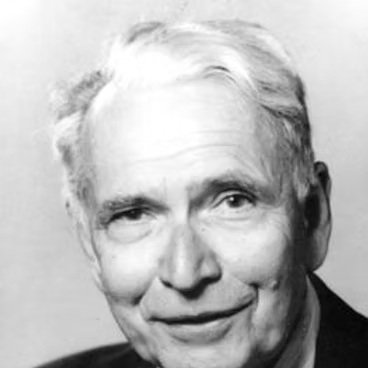
欧文·查戈夫Erwin Chargaff
(1905-2002)(1905-2002)


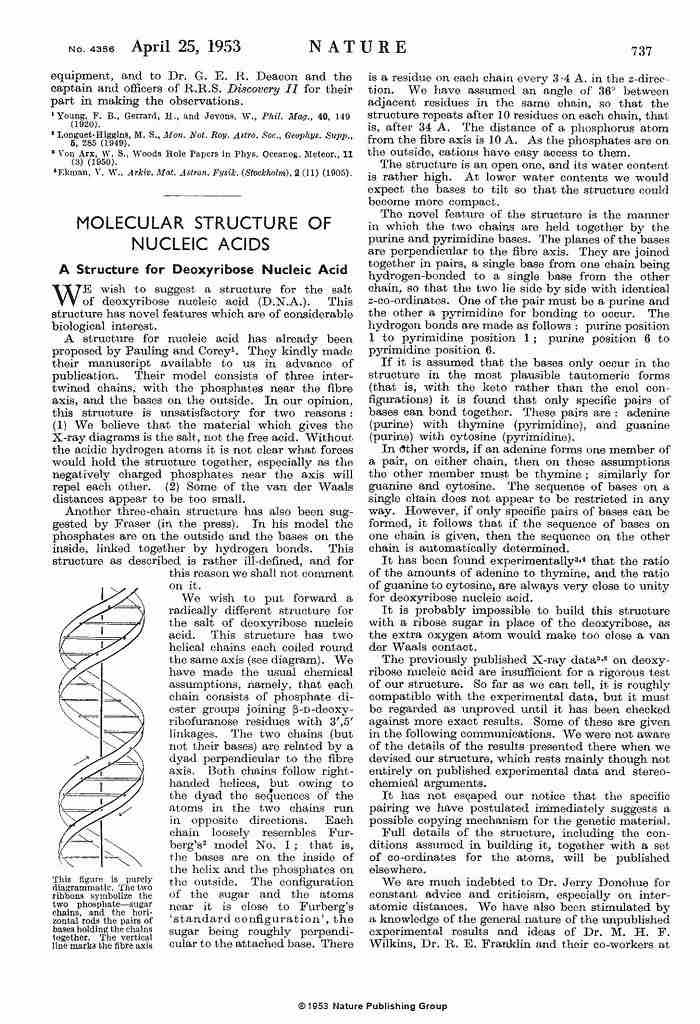
我们想提出一个脱氧核糖核酸钠盐的结构,这个结构具有一些有重要生物学意义的新特征……我们提出的专一配对方式直接指出了遗传材料可能的复制机制,这未被我们忽略。
We wish to suggest a structure for the salt of deoxyribose nucleic acid (D.N.A.). This structure has novel features which are of considerable biological interest… It has not escaped our notice that the specific paring we have postulated immediately suggests a possible copying mechanism for the genetic material.
沃森和克里克,1953
Watson and Crick, 1953
(1905-2002)(1905-2002)
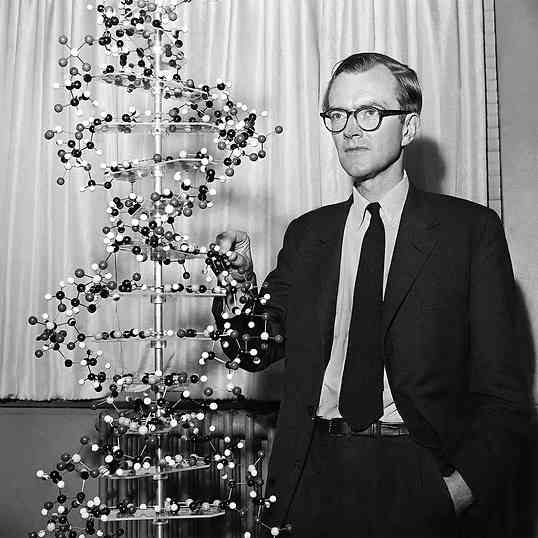
(1916-2004)(1916-2004)
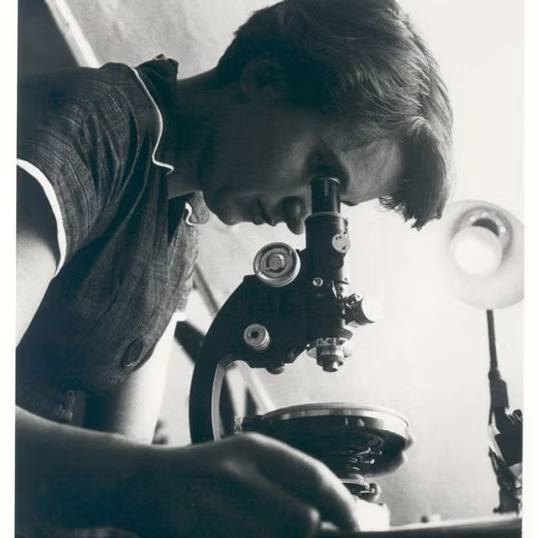
(1920-1958)(1920-1958)
(1928- )(1928- )
(1916-2004)(1916-2004)
(1901-1994)(1901-1994)
_shown_in_her_laboratory_in_1947.jpg)
(1902-1992)(1902-1992)
(1904-1968)(1904-1968)
(1930- )(1930- )
(1929- )(1929- )
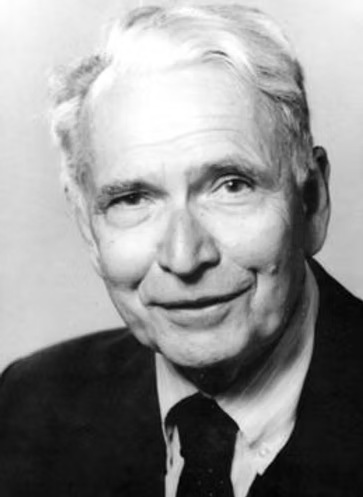
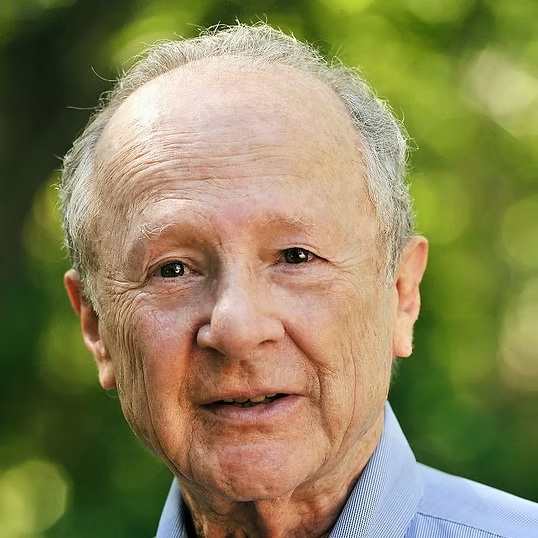
美国生物化学家欧文·查戈夫(Erwin Chargaff,1905年8月11日-2002年6月20日)出生于奥匈帝国。1924年到1928年,查戈夫在维也纳学习化学,并获得了博士学位;从1925年到1930年,他在耶鲁大学担任米尔顿坎贝尔有机化学研究员;1930年至1934年,他回到欧洲生活,先是担任柏林大学细菌学和公共卫生系化学主管助理(1930-1933年),然后担任巴黎巴斯德研究所的研究助理(1933-1934年)。查戈夫于1935年移民到纽约市曼哈顿,在哥伦比亚大学生物化学系担任研究助理。随后,于1938年成为助理教授,并于1952年成为教授。
查戈夫的最关键结论现在被称为查戈夫规则。他的第一个,也是最著名的成果是阐明了:天然DNA中,鸟嘌呤(G)单位的数量等于胞嘧啶(C)单位的数量,腺嘌呤(A)单位的数量等于胸腺嘧啶(T)单位的数量。这强烈地暗示出了DNA的碱基对组成,尽管查戈夫本人没有明确说明这种联系。在这项研究中,人们认为查戈夫反驳了四核苷酸假说(即DNA是由大量重复的GACT组成的)。大多数研究人员曾认为,与等摩尔碱基比(G=A=C=T)的偏差是由于实验误差引起的,但查戈夫记录了这种特殊性是真实的。查戈夫的研究后来帮助沃森(Watson)和克里克(Crick)推断出DNA的双螺旋结构。
Erwin Chargaff (11 August 1905 – 20 June 2002) was an Austro-Hungarian-born American biochemist. From 1924 to 1928, Chargaff studied chemistry in Vienna, and earned a doctorate working. From 1925 to 1930, Chargaff served as the Milton Campbell Research Fellow in organic chemistry at Yale University. Chargaff returned to Europe, where he lived from 1930 to 1934, serving first as the assistant in charge of chemistry for the department of bacteriology and public health at the University of Berlin (1930–1933) and then served as a research associate at the Pasteur Institute in Paris (1933–1934). Chargaff immigrated to Manhattan, New York City in 1935. Then in 1938 he became an assistant professor and a professor in 1952.
Key conclusions from Erwin Chargaff's work are now known as Chargaff's rules. The first and best known achievement was to show that in natural DNA the number of guanine units equals the number of cytosine units and the number of adenine units equals the number of thymine units. This strongly hinted towards the base pair makeup of the DNA, although Chargaff did not explicitly state this connection himself. For this research, Chargaff is credited with disproving the tetranucleotide hypothesis (DNA was composed of a large number of repeats of GACT). Most researchers had previously assumed that deviations from equimolar base ratios (G = A = C = T) were due to experimental error, but Chargaff documented that the variation was real. He did his experiments with the newly developed paper chromatography and ultraviolet spectrophotometer. Chargaff's research later helped the Watson and Crick laboratory team to deduce the double helical structure of DNA.
查戈夫的第二个规则是DNA的组成因物种而异,特别是在A、G、T和C碱基的相对数量上。这提供了本被认为DNA中不存在的分子多样性数据,这使得DNA成为比蛋白质更可信的遗传物质候选者。
The second of Chargaff's rules is that the composition of DNA varies from one species to another, in particular in the relative amounts of A, G, T, and C bases. It provided an evidence of molecular diversity which had been presumed absent from DNA, contributing to DNA as a more credible candidate for the genetic material than protein.
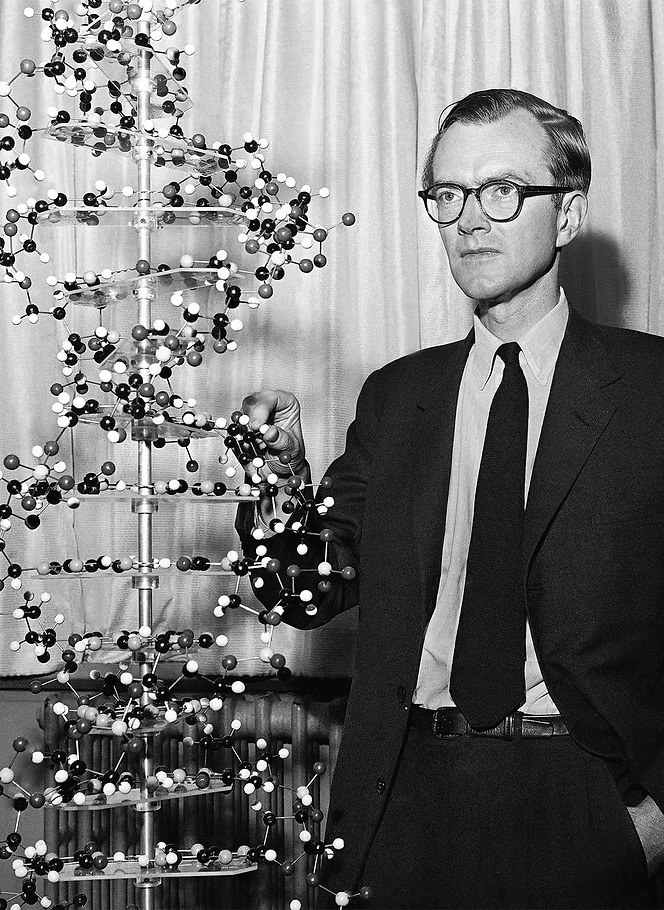
莫里斯·休·弗雷德里克·威尔金斯于1916年12月15日出生于新西兰,6岁随父母到英国接受教育,于2004年10月5日在英国伦敦去世。莫里斯·威尔金斯是一位英国分子生物学家,毕业于剑桥大学,毕业后到伯明翰大学任兰德尔教授的助手。后经选拔参加了美国的“曼哈顿计划”。从美国回英国后,在伦敦国王学院从事DNA的X射线的分析研究。
其在伦敦国王学院期间用X射线衍射法解开了DNA分子结构,主要贡献在于1950年获得了DNA的第一张X射线衍射图像,为弗朗西斯·克里克、詹姆斯·沃森使用分子建模的方法解开DNA分子双螺旋结构提供了基础。最终莫里斯与詹姆斯·沃森、弗朗西斯·克里克共同获得了1962年的诺贝尔生理学或医学奖。他在伦敦国王学院的同事罗莎琳·富兰克林,也是这项研究的主要贡献者之一,但因病逝世,无缘得奖。
Maurice Hugh Frederick Wilkins was born in New Zealand on December 15, 1916, and went to England with his parents for education at the age of 6. He died on October 5, 2004 in London, England. Maurice Wilkins is a British molecular biologist who graduated from Cambridge University and worked as an assistant to Professor Randall at the University of Birmingham after graduation. He was selected to participate in the "Manhattan Project" in the United States afterwards. After returning to the United Kingdom from the United States, he was engaged in X-ray analysis of DNA at King's College London.
He solved the molecular structure of DNA by X-ray diffraction during his time at King's College London. His main contribution was to obtain the first X-ray diffraction image of DNA in 1950, which provide the basis for Francis Crick and James Watson’s molecular modeling. Molecular modeling methods unraveled the double helix structure of DNA molecules. In the end, Morris won the 1962 Nobel Prize in Physiology or Medicine with his students Francis Crick and James Watson. His colleague Rosalyn Franklin at King's College London, who was also one of the main contributors to the study, died of illness and missed the award.
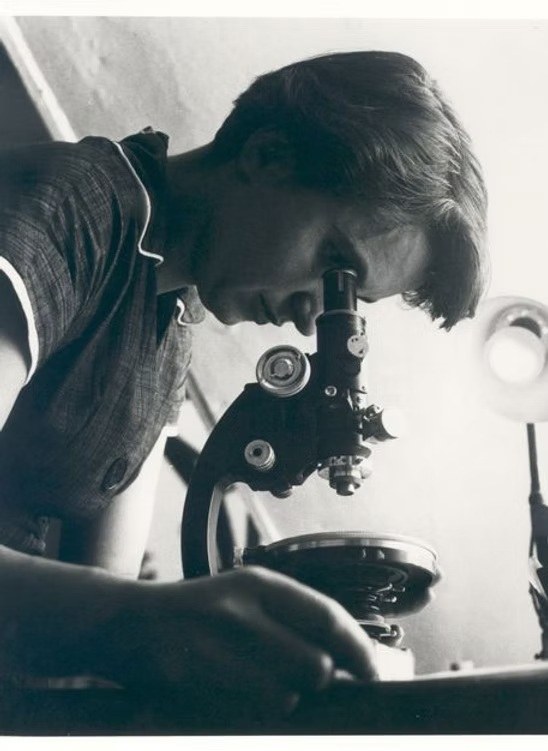
罗莎琳德·富兰克林(1920年7月25日—1958年4月16日)是英国化学家和X射线晶体学家,她的工作对理解DNA的分子结构至关重要。尽管在她生前她对煤炭和病毒的研究工作受到了赞赏,但她对发现DNA结构的贡献在生前基本上没有得到应有的承认。
富兰克林1941年毕业于剑桥大学纽纳姆学院(Newnham College),并继续在剑桥大学攻读物理化学博士学位。但二战的进程改变了她的行动轨迹:她于1942年加入了不列颠煤炭利用研究协会(BCURA),所从事的煤炭研究也帮助她在1945年取得了剑桥的博士学位。从1947年至1950年,她前往巴黎的国家中央化学实验室(Laboratoire Central des Services Chimiques de l'État)工作,学习了X射线晶体衍射技术。
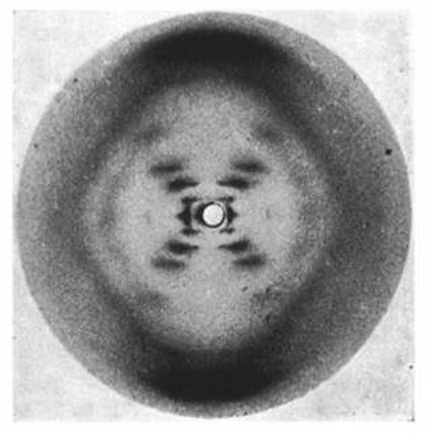
1951年,富兰克林加入伦敦国王学院的生物物理实验室,成为一名研究员,将X射线晶体衍射方法应用于DNA的研究。当她刚开始在国王学院的研究时,人们对DNA的化学组成或结构还知之甚少。富兰克林很快就发现了DNA分子的两种不同构象(A型和B型);更重要的是,她确定了该分子是以螺旋形构象存在的。在她和她的研究生雷蒙·葛斯林(Raymond Gosling)的工作下,富兰克林成功获得了DNA分子清晰的X射线衍射图像(特别是“照片51号”[Photo 51]),为詹姆斯·沃森(James Watson)和弗朗西斯·克里克(Francis Crick)在1953年提出DNA的双螺旋结构奠定了基础。
Rosalind Elsie Franklin (25 July 1920 – 16 April 1958) was an English chemist and X-ray crystallographer whose work was central to the understanding of the molecular structures of DNA. Although her works on coal and viruses were appreciated in her lifetime, her contributions to the discovery of the structure of DNA were largely unrecognized during her life.
She graduated in 1941 with a degree in natural sciences from Newnham College, Cambridge, and then enrolled for a PhD in physical chemistry at the University of Cambridge. But the advance of World War II changed her course of action: she took up a research position under the British Coal Utilization Research Association (BCURA) in 1942. The research on coal helped her earn a PhD from Cambridge in 1945. From 1947 to 1950 she worked at the Laboratoire Central des Services Chimiques de l'État in Paris, studying X-ray diffraction technology.
In 1951 Franklin joined the Biophysical Laboratory at King’s College, London, as a research fellow. There she applied X-ray diffraction methods to the study of DNA. When she first began her research at King’s College, very little was known about the chemical makeup or structure of DNA. Franklin soon discovered the two different conformations of the DNA molecule (A-form and B-form) and, more importantly, she established that the molecule existed in a helical conformation. Through the work of her and her graduate student Raymond Gosling, Franklin was able to obtain clear X-ray diffraction photos of DNA molecules (most notably “Photo 51”), which laid the foundation for James Watson and Francis Crick to suggest in 1953 that the structure of DNA is a double-helix.
1953年后,富兰克林离开剑桥,前往伦敦大学伯贝克学院(Birkbeck College)的晶体学实验室工作,在那里领导了关于病毒分子结构的开创性工作。不幸的是,她因卵巢癌于1958年去世,就在她准备在布鲁塞尔的一个国际会议上公布烟草花叶病毒(TMV)结构的前一天,年仅37岁。沃森曾提出,在理想情况下富兰克林应该和她的同事莫里斯·威尔金斯(Maurice Wilkins)一起获得诺贝尔化学奖,但诺贝尔委员会一般不提名已经逝世的学者。克里克、沃森和威尔金斯因发现了DNA的双螺旋结构而分享了1962年的诺贝尔生理学或医学奖。
After 1953, Franklin left Cambridge to work in the crystallography laboratory at Birkbeck College, London, where she led pioneering work on the molecular structures of viruses. On the day before she was to unveil the structure of tobacco mosaic virus at an international fair in Brussels, she died of ovarian cancer at the age of 37 in 1958. Watson suggested that Franklin would have ideally been awarded a Nobel Prize in Chemistry, along with her colleague Maurice Wilkins, but the Nobel Committee generally did not make posthumous nominations. Crick, Watson, and Wilkins shared the Nobel Prize in Physiology or Medicine in 1962 for their discovery of the double-helix structure of DNA.
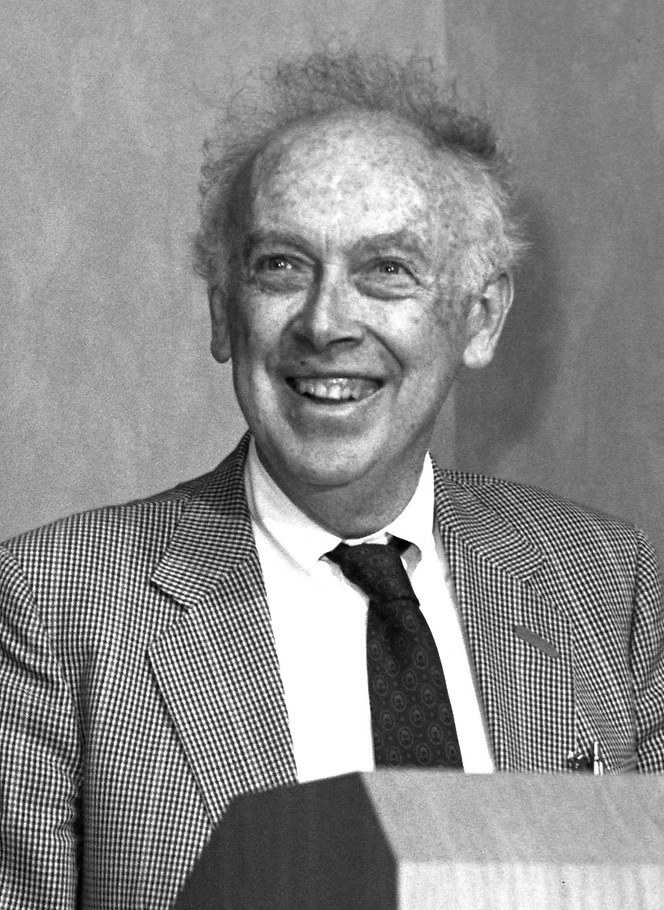
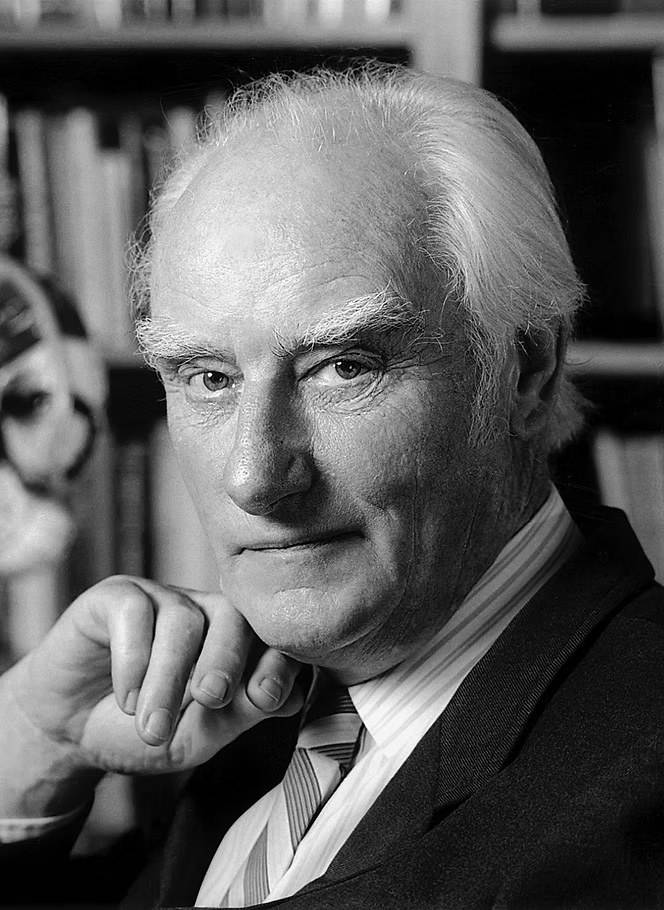
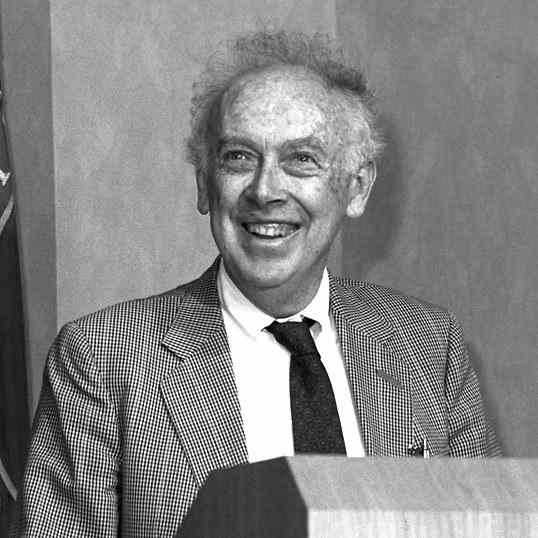
詹姆斯·沃森(1928年4月6日—)是美国分子生物学家和遗传学家。他在芝加哥大学(学士,1947年)和印第安纳大学(博士,1950年)获得学位。在哥本哈根大学做了一年博士后之后,沃森加入了英国剑桥大学的卡文迪许实验室,在那里他第一次遇到了他未来的合作者弗朗西斯·克里克。
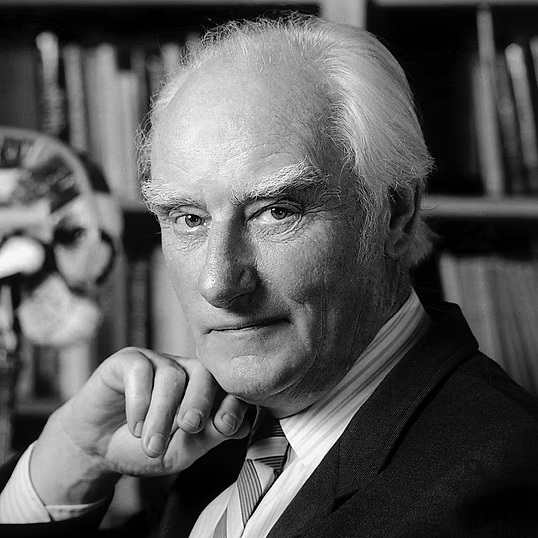
弗朗西斯·克里克(1916年6月8日—2004年7月28日)是英国分子生物学家、生物物理学家和神经科学家。克里克求学于伦敦大学学院(UCL),1937年获得理学学士学位,并继续在伦敦大学学院开始了一个关于测量高温下水的粘度的博士研究项目。然而,二战使克里克偏离了他原本可能走上的物理学职业道路;战争期间他被征召工作于英国海军部研究实验室(Admiralty Research Laboratory)。1947年,31岁的克里克开始学习生物学,成为当时一系列向生物学研究迁移的物理学家之一。到1949年,他转到剑桥大学卡文迪许实验室的英国医学研究理事会(Medical Research Council, MRC)生物系统分子结构研究组(Unit for the Study of the Molecular Structure of Biological Systems)开展研究工作。
1953年3月中旬,沃森和克里克推导出了DNA的双螺旋结构,并向《自然》杂志提交了他们的学术论文《核酸的分子结构——脱氧核糖核酸的结构》(Molecular Structure of Nucleic Acids: A Structure for Deoxyribose Nucleic Acid),该论文于1953年4月25日发表。沃森和克里克提出的结构是一个模型,基于罗莎琳德·富兰克林(Rosalind Franklin)、雷蒙·葛斯林(Raymond Gosling)和莫里斯·威尔金斯(Maurice Wilkins)在同一期《自然》上发表的数据支持;不过,由于合成单晶形式的小段DNA的困难,对该结构的明确证明又花了近四分之一个世纪。沃森、克里克和威尔金斯被授予1962年诺贝尔生理学或医学奖,“由于他们发现了核酸的分子结构及其对生物体内信息传递的意义”。
从1956年到1976年,沃森在哈佛大学生物系任教,致力于促进分子生物学研究。自1968年起,沃森担任冷泉港实验室(Cold Spring Harbor Laboratory)主任,大大提升了其资金和研究水平;在冷泉港实验室,他将研究重点转移到癌症研究上,同时使其成为世界领先的分子生物学研究中心。沃森也写了许多科学书籍,包括教科书《基因的分子生物学》(Molecular Biology of the Gene,1965年)和畅销书《双螺旋》(The Double Helix,1968年)。
在发现双螺旋结构后,克里克继续在阐明遗传密码和蛋白质合成机制的研究中发挥了核心作用。他最先使用“中心法则”(the Central Dogma)一词来对如下理念进行概括也广为人知:遗传信息一旦从核酸(DNA或RNA)转移到蛋白质,就不能再流回到核酸。在此后的职业生涯中,他一直在加州拉荷亚的索尔克生物研究所(Salk Institute for Biological Studies)担任J.W. Kieckhefer杰出研究教授的职位。克里克后来的工作集中于理论神经生物学和尝试推进对人类意识的科学研究。
James Dewey Watson (born April 6, 1928) is an American molecular biologist and geneticist. Watson earned degrees at the University of Chicago (BS, 1947) and Indiana University (PhD, 1950). Following a post-doctoral year at the University of Copenhagen, Watson joined the University of Cambridge's Cavendish Laboratory in England, where he first met his future collaborator Francis Crick.
Francis Harry Compton Crick (8 June 1916 – 28 July 2004) was an English molecular biologist, biophysicist, and neuroscientist. Crick studied at University College London (UCL), earned a Bachelor of Science degree in 1937, and initially began a PhD research project on measuring the viscosity of water at high temperatures at UCL. But he was deflected from a possible career in physics by World War II, during which time he worked for the Admiralty Research Laboratory. In 1947, aged 31, Crick began studying biology and became part of an important migration of physical scientists into biology research. By 1949, he moved to the Medical Research Council (MRC) Unit for the Study of the Molecular Structure of Biological Systems in Cambridge University’s Cavendish Laboratory.
In mid-March 1953, Watson and Crick deduced the double helix structure of DNA. They submitted their academic paper “Molecular Structure of Nucleic Acids: A Structure for Deoxyribose Nucleic Acid” to Nature, which was published on April 25, 1953. The Watson-Crick structure was a proposal, based upon — and therefore supported by — the data of Rosalind Franklin, Raymond Gosling, and Maurice Wilkins published alongside it. Definitive proof of the structure, however, took almost another quarter of a century, owing to the difficulty of synthesizing small stretches of DNA in the form of single crystals. Watson, Crick and Wilkins were awarded the 1962 Nobel Prize in Physiology or Medicine "for their discoveries concerning the molecular structure of nucleic acids and its significance for information transfer in living material".
From 1956 to 1976, Watson was on the faculty of the Harvard University Biology Department, promoting research in molecular biology. From 1968 Watson served as director of Cold Spring Harbor Laboratory (CSHL), greatly expanding its level of funding and research. At CSHL, he shifted his research emphasis to the study of cancer, along with making it a world-leading research center in molecular biology. Watson has written many science books, including the textbook Molecular Biology of the Gene (1965) and his bestselling book The Double Helix (1968).
After the discovery of the double-helix structure, Crick went on to play a central role in the elucidation of the genetic code and the mechanism of protein synthesis. He is widely known for the use of the term "central dogma" to summarize the idea that once information is transferred from nucleic acids (DNA or RNA) to proteins, it cannot flow back to nucleic acids. During the remainder of his career, he held the post of J.W. Kieckhefer Distinguished Research Professor at the Salk Institute for Biological Studies in La Jolla, California. His later research centered on theoretical neurobiology and attempts to advance the scientific study of human consciousness.
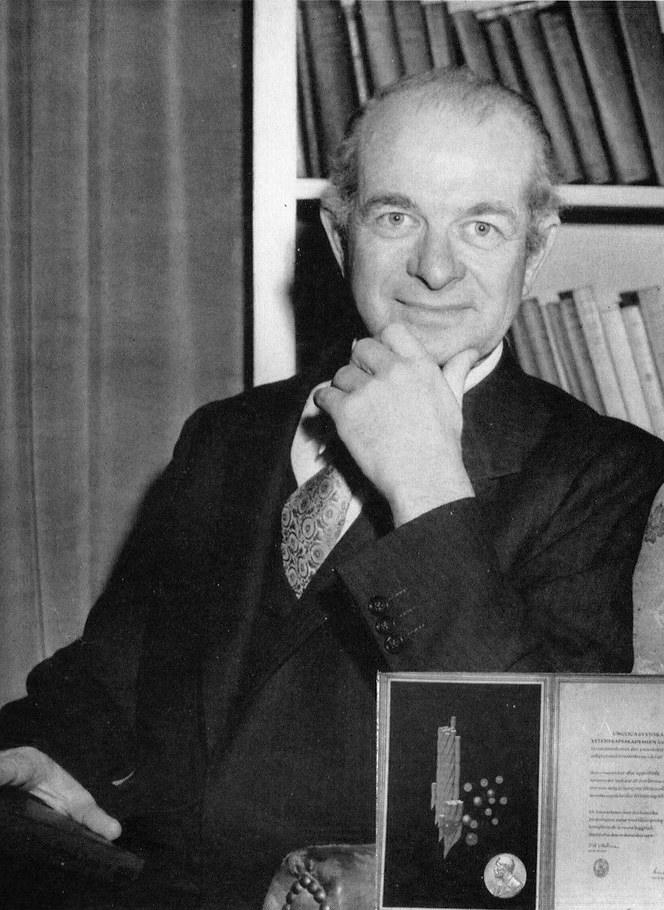
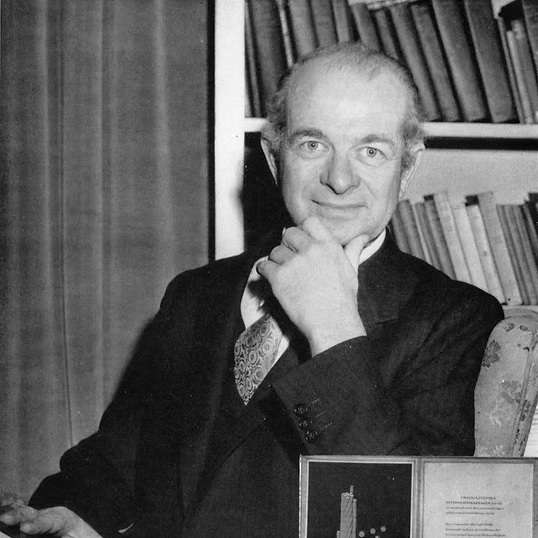
莱纳斯·卡尔·鲍林,1901年2月28日出生于美国俄勒冈州波特兰市,于1994年8月19日去世。莱纳斯·卡尔·鲍林是一位美国化学家、生化学家、化学工程师、和平运动呼吁者、作家和教育家。他发表和出版了超过1200篇文章和书籍,其中850本是关于科学主体的。在科学成果方面,他被授予了1954年的诺贝尔化学奖;在和平运动方面,他被授予1962年的诺贝尔和平奖。他是唯一一个两次单独获得诺贝尔奖的人。
鲍林读高中时便成绩优异,尤其化学成绩一直为位列全班第一,他利用废弃钢铁厂的设备和材料组织化学实验,立志做一名化学家。由于家境贫寒,鲍林上学期间兼职多份工作勤工俭学,为大学的花费做准备。1917年9月,鲍林以优异的成绩考入俄勒冈州农学院化学工程系。
鲍林是量子化学和分子生物学领域的奠基人之一。他对化学键理论的贡献包括轨道杂化的概念和元素电负性的第一个精确尺度。鲍林还研究生物分子的结构,并展示了阿尔法螺旋和贝塔折叠在蛋白质二级结构中的重要性。鲍林的研究结合了X射线晶体学的方法和结果、分子模型建立和量子化学。他的发现启发了詹姆斯·沃森、弗朗西斯·克里克的工作以及莫里斯·威尔金斯和罗莎琳德·富兰克林对DNA结构的研究,从而使遗传学家有可能破译所有生物体的DNA密码。
他晚年支持核裁军以及正分子医学、大维生素疗法和膳食补充剂。但他关于大剂量维他命医学上无用的主张却鲜少被主流科学界接受。
Linus Carl Pauling, who was born on February 28th, 1901, in Portland, Oregon, and died on August 19th, 1994, was an American chemist, biochemist, chemical engineer, peace activist, author, and educator. He published more than 1,200 papers and books, of which about 850 dealt with scientific topics. For his scientific work, Pauling was awarded the Nobel Prize in Chemistry in 1954. For his peace activism, he was awarded the Nobel Peace Prize in 1962. He is one of four people to have won more than one Nobel Prize. Of these, he is the only person to have been awarded two unshared Nobel Prizes.
Pauling used to perform well in high school, especially in chemistry. He conducted chemistry experiments by scavenging equipment and material from an abandoned steel plant, and aspired to be a chemist. Due to his family’s poor financial situation, Pauling held a number of jobs to earn money for his future college expenses. In September 1917, Pauling was finally admitted by Oregon State University, majoring in chemical engineering.
Pauling was one of the founders of the fields of quantum chemistry and molecular biology. His contributions to the theory of the chemical bond include the concept of orbital hybridisation and the first accurate scale of electronegativities of the elements. Pauling also worked on the structures of biological molecules, and showed the importance of the alpha helix and beta sheet in protein secondary structure. Pauling's approach combined methods and results from X-ray crystallography, molecular model building, and quantum chemistry. His discoveries inspired the work of James Watson, Francis Crick, Maurice Wilkins, and Rosalind Franklin on the structure of DNA, which in turn made it possible for geneticists to crack the DNA code of all organisms.
In his later years he promoted nuclear disarmament, as well as orthomolecular medicine, megavitamin therapy and dietary supplements. None of his ideas concerning the medical usefulness of large doses of vitamins have gained much acceptance in the mainstream scientific community.
_shown_in_her_laboratory_in_1947-02.jpg)
芭芭拉·麦克林托克(1902年6月16日-1992年9月2日)是美国细胞遗传学家,也是目前唯一一位独享诺贝尔生理学或医学奖的女性。麦克林托克出生于纽约的布鲁克林区,1923年在康奈尔大学取得农业学士学位、1927年获植物学博士学位,并对细胞学和遗传学产生浓厚兴趣。毕业后,麦克林托克前往康奈尔大学、加州理工学院、德国柏林深造,在1936年任职为密苏里大学的助理教授,但因不满工作环境而离职,遂在1941年入职位于纽约长岛的冷泉港研究所。
麦克林托克早在1929年便被视为细胞遗传学的新星。1944年,麦克林托克发现玉米变种细胞中存在可变更位置的染色体片段(转座因子),并在1951年的冷泉港研讨会上作相关报告,1953年于《遗传学》上发表《诱导玉米的特定基因座产生不稳定性(Induction of Instability at Selected Loci in Maize)》,该文详细地描述了两个转座因子,解离因子(Ds)、激活因子(Ac)。可惜的是,麦克林托克的发现直到1960年代才得到充分重视;幸运的是,麦克林托克见证了她应得的荣耀,在1983年因“发现移动的遗传因子”被授予诺贝尔奖。
Barbara McClintock (June 16, 1902 – September 2, 1992) was an American cytogeneticist and the only woman who has received an unshared Nobel Prize for Physiology or Medicine. McClintock was born as the third of four children and grew up in Brooklyn, New York. She studied at Cornell University and received a B.A. in agriculture in 1923 and Ph.D. in botany in 1927, where she developed a keen interest in the cytology and genetics of maize. After graduation, McClintock received multiple fellowships and worked at Cornell and California Institute of Technology and in Berlin. McClintock accepted an assistant professorship at the University of Missouri in Columbia in 1936 but left four years later feeling that she would not receive tenure, and worked at Cold Spring Harbor Laboratory on New York’s Long Island since 1941.
McClintock was already a rising star in cytology and genetics by 1929. When experimenting on maize in 1944, she discovered chromosome segments that can modify genetic action and transit from place to place on the chromosome. She then presented on the transposable segments – the “Dissociation-Activator (Ds-Ac)” units – at the 1951 Cold Spring Harbor Symposium and published “Induction of Instability at Selected Loci in Maize” in Genetics in 1953.
Though McClintock’s work was not fully appreciated until the 1970s, McClintock survived to witness her long-deserved glory and was awarded the Nobel Prize “for her discovery of mobile genetic elements” in 1983.
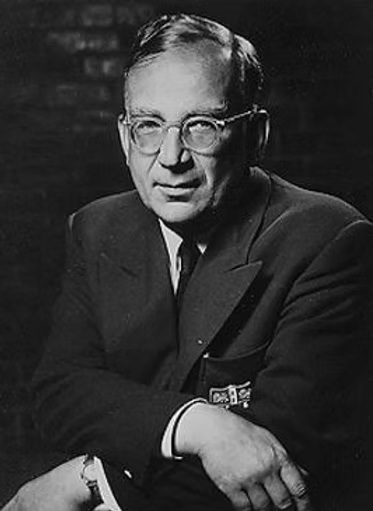
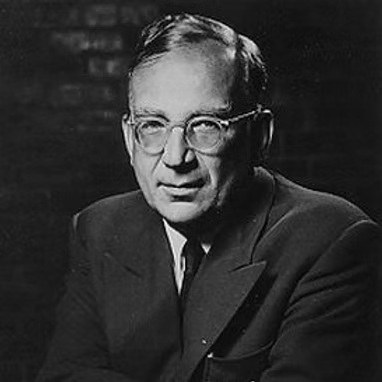
乔治·伽莫夫(1904-1968),出生于前苏联的美国物理学家和宇宙学家,是宇宙大爆炸学说的首要支持者。根据该理论,宇宙是数十亿年前一次大爆炸的产物。此外,他在DNA方面的研究也为现代基因理论奠基。
伽莫夫大学就读于列宁格勒(现在的圣彼得堡)大学,在那里他跟随A.A.弗里德曼短暂学习,弗里德曼是一位数学家和宇宙学家,他认为宇宙应该在膨胀。当时伽莫夫并没有继续研究弗里德曼的建议,而是更愿意钻研量子理论。1928年毕业后,他来到了哥廷根,并在那里发展了放射性的量子理论,这一理论第一次成功地解释了放射性元素的行为,即为什么其中一些元素在几秒钟内衰变,而另一些元素则要衰变数千年。
他用量子隧穿效应解释了α衰变,发明了液滴模型和第一个原子核的数学模型,并在恒星的形成、恒星核合成和大爆炸核合成(统称为nucleocosmogenesis)和分子遗传学上都颇有建树。
在他职业生涯的中晚期,伽莫夫将他的精力更多倾注于教学和畅销科普书写作上,包括《从一到无穷大》、《汤普金斯先生》系列丛书。他的一部分书目在它们出版后超过半个世纪仍在印刷新本。
George Gamow (1904-1968), Russian-born American nuclear physicist and cosmologist, was one of the foremost advocates of the big-bang theory, according to which the universe was formed in a colossal explosion that took place billions of years ago. In addition, his work on deoxyribonucleic acid (DNA) made a basic contribution to modern genetic theory.
Gamow attended Leningrad (now St. Petersburg) University, where he studied briefly with A.A. Friedmann, a mathematician and cosmologist who suggested that the universe should be expanding. At that time Gamow did not pursue Friedmann’s suggestion, preferring instead to delve into quantum theory. After graduating in 1928, he traveled to Göttingen, where he developed his quantum theory of radioactivity, the first successful explanation of the behaviour of radioactive elements, some of which decay in seconds while others decay over thousands of years.
He discovered a theoretical explanation of alpha decay by quantum tunneling, invented the liquid drop model and the first mathematical model of the atomic nucleus, and worked on star formation, stellar nucleosynthesis and Big Bang nucleosynthesis (which he collectively called nucleocosmogenesis), and molecular genetics.
In his middle and late career, Gamow directed much of his attention to teaching and wrote popular books on science, including One Two Three... Infinity and the Mr. Tompkins series of books (1939–1967). Some of his books are still in print more than a half-century after their original publication.
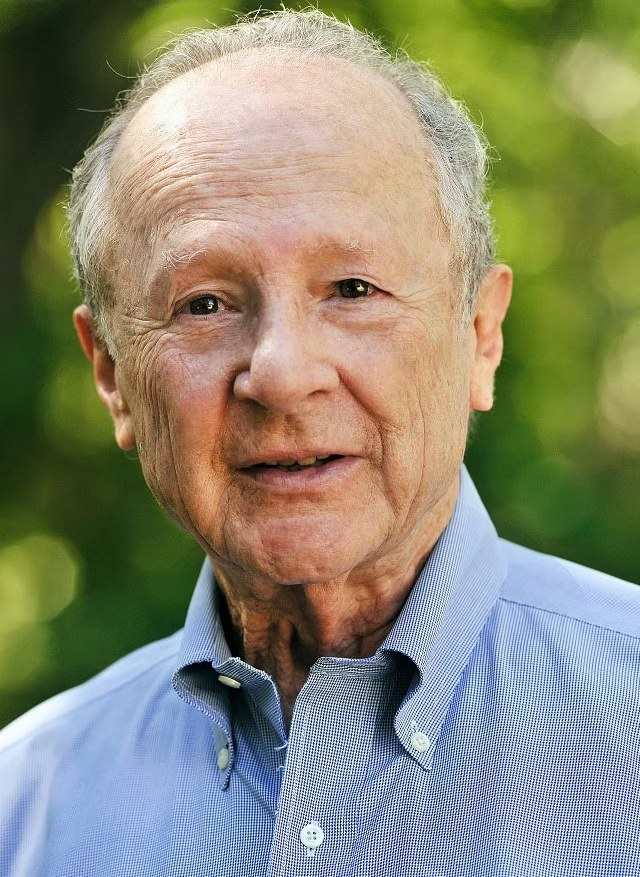
马修·斯坦利·梅塞尔森(生于1930年5月24日)是美国遗传学家、分子生物学家,现居哈佛大学,以梅塞尔森-斯塔尔实验闻名:梅塞尔森与富兰克林·威廉·斯塔尔(1929-)共同证明了DNA的半保留复制,子代DNA的双链中一条来自亲代,另一条为新合成的链。梅塞尔森是家中独子,自小便对化学感兴趣;16岁时便进入芝加哥大学学习,在学校的通识教育规定下学习自然科学与古典文学。1953年,梅塞尔森进入加利福尼亚理工学院,1957年取得化学博士学位。
梅塞尔森与斯塔尔在加利福尼亚理工学院相识,并于1957年成功证明了DNA的半保留复制:他们首先在氮-15(一种稳定的氮同位素,比常规氮-14重)的环境中繁殖大肠杆菌(学名E. coli),接着加入大量氮-14,最后用离心机按密度分离细菌的DNA;结果显示,部分细菌的DNA只含氮-14,部分只含氮-15,还有一些含等量的氮-14、氮-15。梅塞尔森和斯塔尔随即加热分离含有两种氮元素的DNA双链,发现其中一条链只含氮-14、另一条只含氮-15,这说明一条链来自亲代,一条链是新合成的。
这也是科学家首次用实验证实DNA的半保留复制。梅塞尔森-斯塔尔实验简洁、有力,被约翰·凯恩斯(英国分子生物学家,1922-2018)盛赞为“生物学中最美丽的实验”。
Matthew Stanley Meselson (born May 24, 1930) is an American geneticist and molecular biologist who joined Harvard University in 1960, famous for demonstrating semi-conservative DNA replication with Franklin William Stahl (1929-). Meselson was born as the only child and developed a keen interest in chemistry since childhood. He went to the University of Chicago at a young age in 1946 and studied broadly about natural sciences as well as classical literature under the school’s requirements. In 1953 Meselson entered the California Institute of Technology as a graduate student and graduated with a Ph.D. in chemistry in 1957.
In 1957 Meselson collaborated with Stahl on the Meselson-Stahl experiment at Caltech: The scientists first grew several generations of the bacteria Escherichia coli (E. coli) in an environment of nitrogen-15 (a stable nitrogen isotope that is heavier than the common form, nitrogen-14), switched the bacteria to a nitrogen-14 environment for several more generations, and used a centrifuge to separate the DNA by density. The results showed that some contained only nitrogen-14, some only nitrogen-15, and some contained equal amounts of the two isotopes. They then used heat to separate the double strands of DNA that contained both isotopes and discovered that one strand contained only nitrogen-14 and its partner only nitrogen-15, which confirmed that one strand came from a parent and one was more recently replicated – the semi-conservative replication of DNA.
John Cairns (British molecular biologist, 1922-2018) praised the simple and strong evidence as “the most beautiful experiment in biology.”
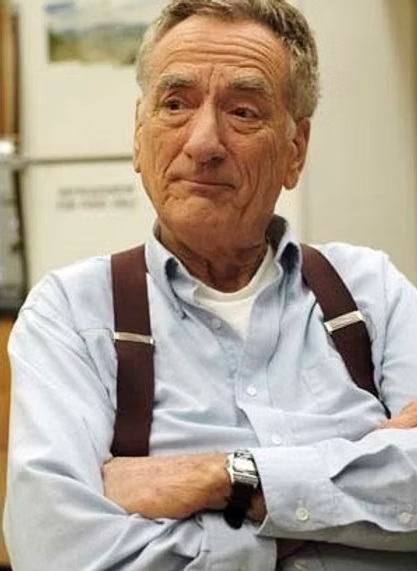
富兰克林·威廉·斯塔尔(生于1929年10月8日)是美国分子生物学家、遗传学家,现为俄勒冈大学分子生物学研究所的名誉教授。在2015年,斯塔尔回顾其科研生涯,称自己是“乘时乘势”:斯塔尔是家中三个孩子中最小的一个,1947年进入哈佛大学学习生物,1951年毕业后前往罗切斯特大学攻读生物学博士学位。在此期间,斯塔尔选修了丹尼尔·马齐亚(1912-1996)的课程,并在一次实验课上结识了马修·梅塞尔森(1930-);二者在1957年10月成功进行了梅塞尔森-斯塔尔实验,证明了DNA的半保守复制,名噪一时。
早在1952年,斯塔尔便对噬菌体的DNA感兴趣。斯塔尔和梅塞尔森也曾尝试在T4噬菌体上进行实验,但最终改用大肠杆菌(E. coli)。在梅塞尔森-斯塔尔实验成功后,斯塔尔剖析了T4噬菌体的DNA结构,而后将研究对象转向更复杂的λ噬菌体(Lambda phage)。
斯塔尔在1959年加入俄勒冈大学新成立的分子生物学研究所,2005年退休为名誉教授;研究所现今仍然保留着斯塔尔的办公室,以便其积极参与学术活动。
Franklin William Stahl (born October 8, 1929) is an American molecular biologist and geneticist, and currently an Emeritus Professor of Biology at the University of Oregon's Institute of Molecular Biology. Stahl used “serendipity” when looking back on his career in 2015: Born as the youngest of three children, Stahl studied biology at Harvard College from 1947 to 1951. He then pursued a Ph.D. in biology at the University of Rochester. When taking a course by Daniel Mazia (1912-1996), Stahl met Matthew Meselson (1930-) during one lab section, with whom he carried out the Meselson-Stahl experiment that proved semi-conservative replication of DNA in October 1957.
It should be mentioned that Stahl has developed a keen interest in bacteriophage since 1952. Stahl and Meselson first tried to experiment on the T4 bacteriophage, but failed and switched to the bacteria Escherichia coli (E. coli) eventually. After the Meselson-Stahl experiment, Stahl studied the DNA structure of T4 bacteriophage, and his later work focused on the bacteriophage Lambda, which has a more complex structure than T4.
Stahl joined the new Institute of Molecular Biology at the University of Oregon in Eugene in 1959. He retired to emeritus status in 2005 but retained his campus office and intended to remain active.
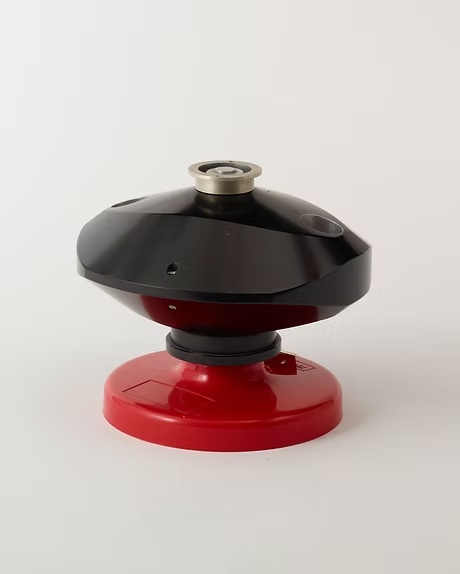
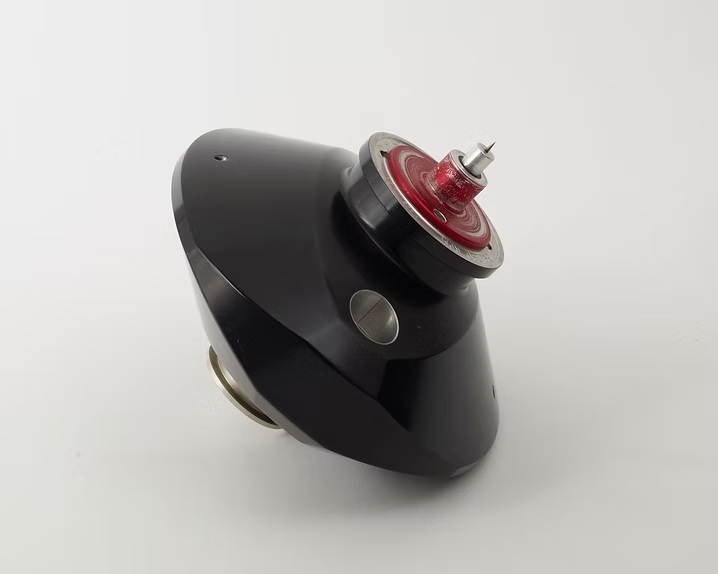
https://digital.sciencehistory.org/works/9wju96o
Science History Institute. Beckman Model E Ultracentrifuge Rotor. Photograph, 2021.
Science History Institute. Philadelphia.
https://digital.sciencehistory.org/works/9wju96o
贝克曼仪器(Beckman Instruments)1955 年 1 月 1 日收购了行业领导者 Spinco(Specialized Instruments Corporation)后开始生产离心机。Spinco 在1947年就开发了著名的 E 型超速离心机,用于 20 世纪的许多重要科学发现,例如,证明了沃森和克里克 DNA 复制理论的加州理工学院1957年的实验。
超速离心机是一种针对高速旋转转子进行优化的离心机,能够产生高达 1,000,000 g(约 9 800 km/s²)的加速度。有两种超速离心机,制备型和分析型超速离心机,两类仪器在分子生物学、生物化学和聚合物科学中都有重要用途。
这种分析型超速离心机转子是一个黑色的椭圆形装置。转子有两个孔,一个用来固定样品池,另一个用来固定天平池。转子顶部有一根锋利的针,该装置固定在红色塑料底座上。
Beckman Instruments began producing centrifuges after their January 1, 1955 acquisition of industry leader, Specialized Instruments Corporation, or Spinco. With Spinco came the famous Model E Ultracentrifuge, which was developed in 1947 and was used for many important scientific discoveries of the 20th century, like the 1957 CalTech experiment that proved James Watson and Francis Crick’s theory on DNA replication.
The ultracentrifuge is a centrifuge optimized for spinning a rotor at very high speeds, capable of generating acceleration as high as 1,000,000 g (approx. 9,800 km/s²). There are two kinds of ultracentrifuges, the preparative and the analytical ultracentrifuge. Both classes of instruments find important uses in molecular biology, biochemistry, and polymer science. This analytical ultracentrifuge rotor is a black, oval-shaped device. The rotor has two holes, one to hold a sample cell and the other to hold a balance cell. The top of the rotor has a sharp needle, and the device is stabilized on a red plastic base.
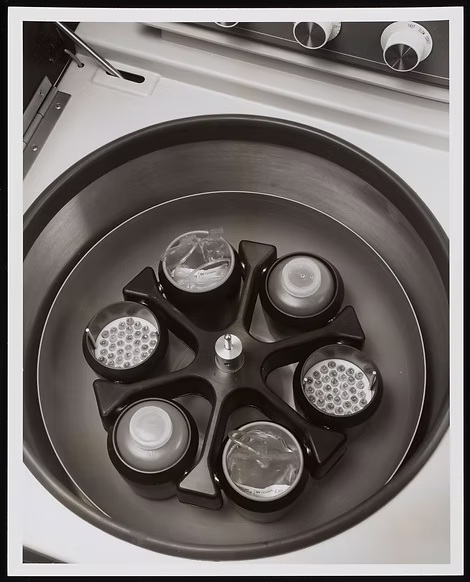
“Beckman Centrifuge Rotor,” n.d. Beckman Historical Collection, Box 78.
Science History Institute. Philadelphia.
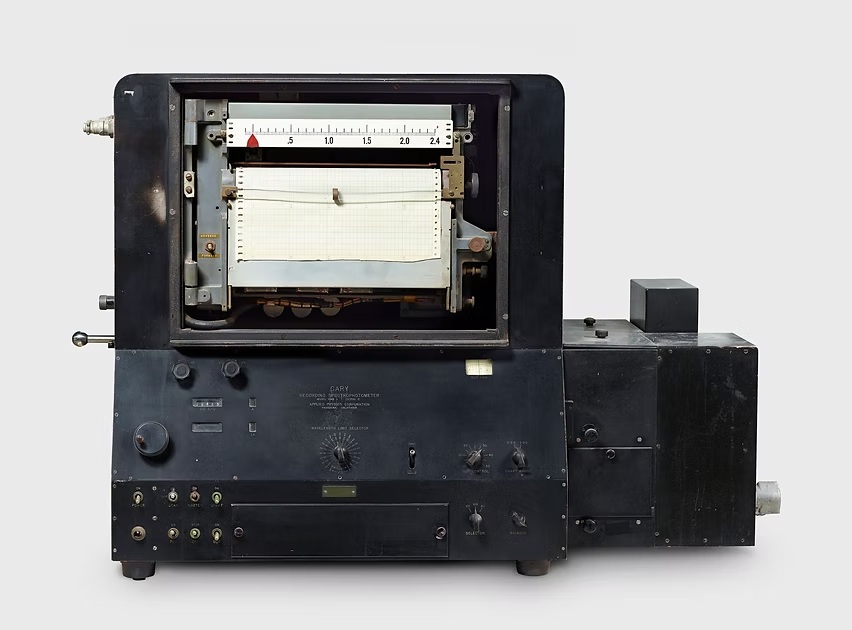
Science History Institute. Cary Model 11MS Recording Spectrophotometer. Photograph, 2017.
Science History Institute. Philadelphia.
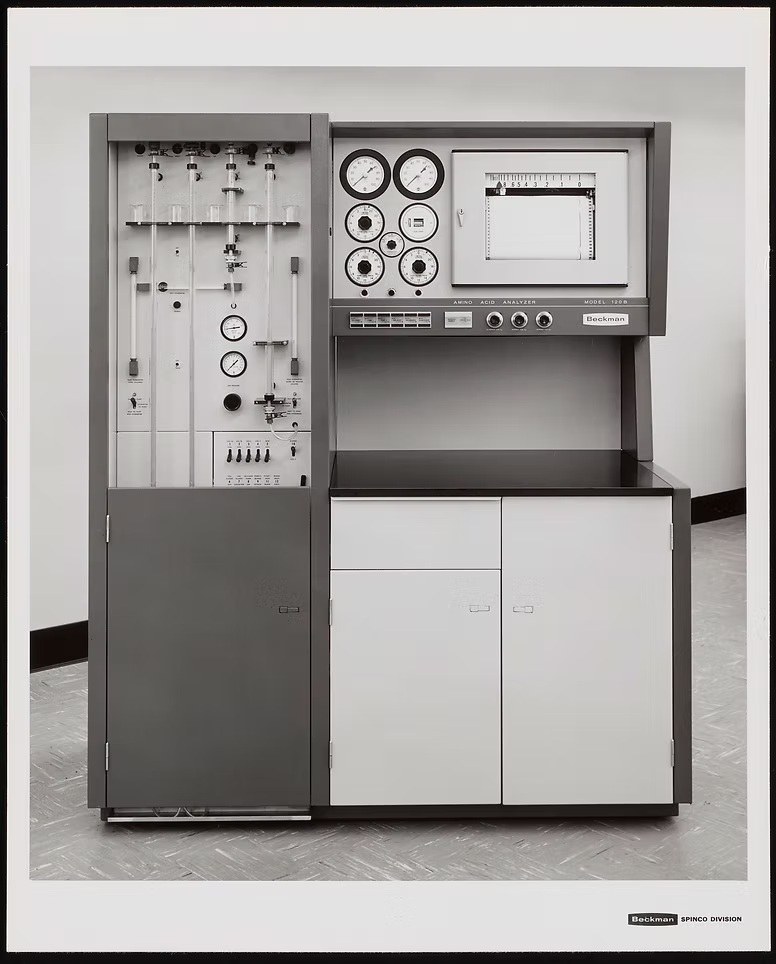
Beckman/Spinco 120 型氨基酸分析仪于1960年首次上市,采用了 Spackman-Stein-Moore 氨基酸色谱技术。
First marketed in 1960, the Beckman/Spinco Model 120 Amino Acid Analyzer used the Spackman-Stein-Moore technique of amino acid chromatography.
“Spinco Model 120B Amino Acid Analyzer,” 1960–1969. Beckman Historical Collection, Box 59, Folder 97.
Science History Institute. Philadelphia.